Disappearing Island Phenomenon
Tree Island, a small islet in the Pacific, is known for its dramatic tidal fluctuations, completely vanishing underwater during high tides and reappearing at low tides, creating a temporary haven for seabirds.
Canada
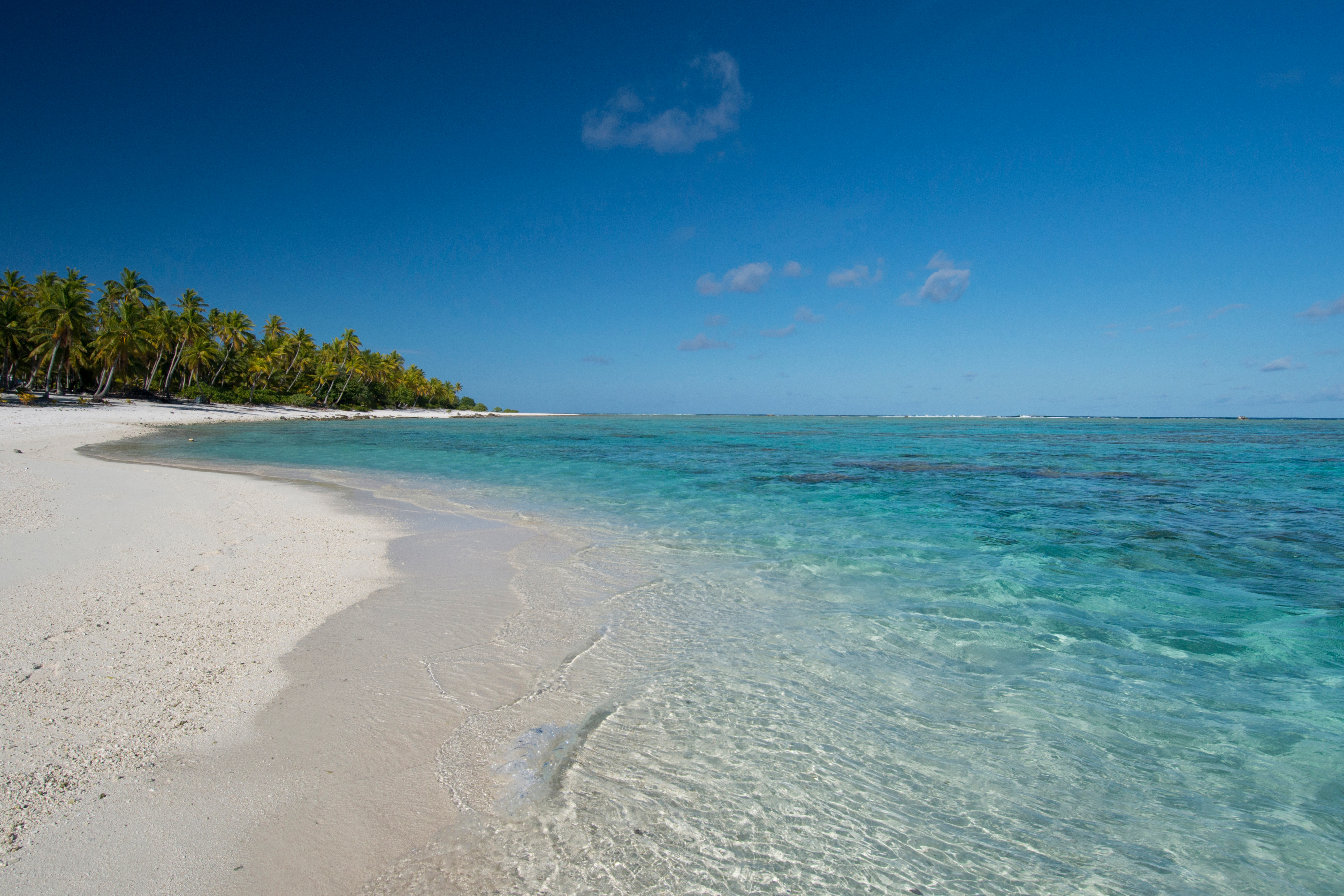
Tree Island
At the edge of the Pacific Northwest, where the cold, azure waters meet the rugged coast of British Columbia, lies Tree Island—a whisper of land cradled by the ocean's vast embrace. This uninhabited isle, a stone's throw from Vancouver Island, rises like a green sentinel from the sea, its dense canopy of Sitka spruce and Western red cedar wrapping the island in a cloak of verdant mystery. As dawn breaks, the sea mist weaves through the towering trees, casting ethereal shadows across the forest floor. The distant cries of gulls echo in the crisp morning air, an avian symphony that underlines the solitude of this place.
Step ashore and feel the earth soften beneath your feet, a moss-covered carpet that muffles your footsteps. The salt-laden breeze carries the scent of cedar and damp earth, mingling with the sharp tang of the ocean. Here, the world feels untouched, time suspended in the rhythmic lap of waves against the rocky shore. Tree Island is both a refuge and a relic, untouched by the hands of modernity, a place where nature reigns supreme and whispers its ancient tales to those who venture close enough to listen.
The island's history is as layered as the forest itself, shrouded in the echoes of the past. Indigenous peoples once visited these shores, drawn by the rich marine life that thrived in the surrounding waters. Clams and crabs were plentiful, and the island served as a seasonal hunting ground. Artifacts occasionally surface, revealing glimpses of these early travelers—carved bone tools, fragments of pottery—silent witnesses to a time long past. Yet, this land was never meant to be a permanent abode. Its dense forests and rugged terrain offered shelter but demanded respect, a delicate balance between survival and reverence instilled in those who once walked these shores.
In the 19th century, Tree Island briefly flirted with colonization, as European explorers charted these waters and sought new lands to tame. Fortunes were whispered of in tales of natural wealth waiting to be harnessed. Yet, the island's remote location and inhospitable terrain deterred permanent settlement, leaving it largely undisturbed, a canvas upon which nature continued to paint her intricate designs.
Tree Island's natural beauty is captivating. The forest canopy, a tapestry of interwoven branches and leaves, filters sunlight into a soft, dappled glow. Ferns and salal bushes blanket the understory, their lush greenery a stark contrast to the rugged coastline that girds the island. In spring, the forest floor becomes a riot of color as wildflowers burst into bloom, their delicate petals swaying in the gentle breeze. The island's namesake trees stand like ancient sentinels, their thick trunks and gnarled branches testament to centuries of growth, surviving storm and sun alike.
Wildlife thrives here, each species a testament to the island's rich ecosystem. Black-tailed deer roam the forest, their hooves silent on the mossy ground, while bald eagles nest high above, their keen eyes scanning the waters for unsuspecting fish. At the shoreline, harbor seals bask on sun-warmed rocks, their sleek bodies glistening as they slip effortlessly into the sea. The symphony of life is ever-present, from the shrill call of seabirds to the quiet rustle of leaves stirred by unseen creatures.
Tree Island, though uninhabited by humans, is a living laboratory where scientists come to study the delicate interplay of ecosystems. Biologists marvel at the island's biodiversity, collecting data on everything from plant life to migratory bird patterns. Conservationists see it as a critical refuge, a sanctuary for species increasingly pressured by encroaching development on the mainland. The island's isolation offers a unique opportunity to understand the natural world in its rawest form, a microcosm of what once was, and what might be lost.
The island's mysteries extend beyond its living inhabitants. Local legends speak of ancient spirits that guard the land, whispers carried on the wind that speak of guardians and protectors. Some say that on mist-laden mornings, you can hear the echoes of old songs carried through the forest, a haunting melody that hints at the island's spiritual heritage. Yet, these are tales told by those who have felt the island's pull, its enigmatic charm as impenetrable as the forest itself.
As you stand on the rocky shore, watching the sun dip below the horizon, casting the sea in a palette of fiery oranges and purples, it's easy to lose yourself in the timelessness of Tree Island. The air cools, carrying with it the scent of brine and cedar, a reminder of the elements that shaped this place. Time here is measured not in hours but in the rise and fall of tides, in the cycles of growth and decay that govern the natural world.
Tree Island, in its silent grandeur, challenges us to rethink our relationship with nature. It stands as a testament to resilience, a reminder of the world before humanity's grand designs took shape. Its future, like its past, is uncertain, yet its existence offers hope that there are still places where nature can sing her quiet song undisturbed. As you leave its shores, the island lingers in your memory, a whisper of what once was, and a promise of what might yet be.
Tree Island, a small islet in the Pacific, is known for its dramatic tidal fluctuations, completely vanishing underwater during high tides and reappearing at low tides, creating a temporary haven for seabirds.
Once devastated by invasive species, Tree Island's ecosystem has been part of a successful restoration project that reintroduced native plant species, making it a critical nesting site for the endangered Brant goose.
Tree Island is home to mysterious ancient shell middens, providing evidence of early Indigenous habitation and offering insights into the coastal lifestyle of First Nations people over 1,000 years ago.
Accessible only by kayak, Tree Island offers adventurers a secluded experience with breathtaking views of the Pacific Ocean, making it a popular yet challenging destination for local paddlers.
During certain seasons, Tree Island's sandy beaches become a popular haul-out spot for Steller sea lions, offering visitors a rare chance to observe these majestic creatures up close.