Artificial Island Origin
Thilafushi was created in 1992 as a landfill to manage Malé's waste problem. It has since expanded to over 4.6 kilometers in length due to continued land reclamation.
Maldives
Thilafushi
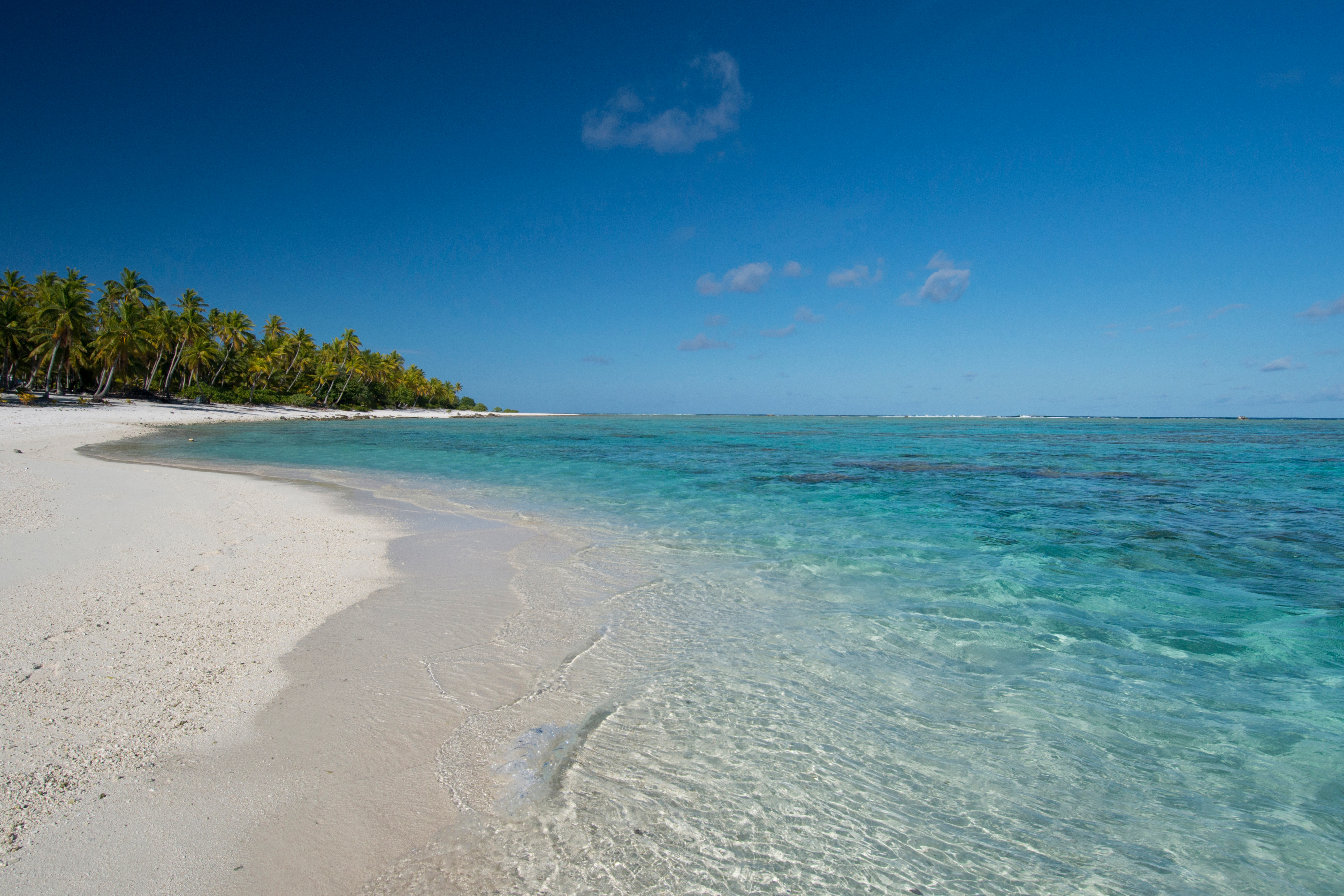
Under a sun that bleaches the Indian Ocean into a dazzling opal, Thilafushi rises from the Maldives' cerulean embrace like a modern paradox, a testament to human ambition and folly. Here, where once lagoons whispered secrets to the coral reefs, industrious hands have crafted an island from the refuse of civilization. Step ashore, and the air is a mélange of salt and diesel, a sharp reminder of the island’s dual nature as both sanctuary and purgatory. Clouds of gulls wheel overhead, their cries slicing through the humid air, while the sea laps gently at the island's ragged edges, its rhythm indifferent to the transformations wrought upon this land.
Nestled within the shimmering expanse of the Laccadive Sea, just a stone’s throw from the bustling streets of Malé, Thilafushi is a place where nature and industry collide. Created in 1992 as a landfill solution for the Maldives, this crescent of land stretches nearly 7 kilometers, its outline a stark silhouette against the endless blue. The island's heart beats with the hum of machinery, where excavators and bulldozers dance a clumsy ballet atop mountains of debris—a symphony of progress amid a setting sun that sets the horizon ablaze in a fiery farewell.
Once, Thilafushi's waters teemed with the vibrant life typical of its neighboring atolls. But as the waste of a paradise threatened by its own beauty accumulated, the island was born. It was a necessity born from tourism's golden age—a manifestation of the archipelago's struggle between preserving its edenic allure and managing the ballooning influx of visitors. Here, the scent of refuse mingles with the ocean's briny breath, a testament to this island’s origin as a repository for the detritus of luxury.
Yet, Thilafushi is more than an industrial footprint; it is a living tableau of innovation and resilience. Amongst the thrumming engines and plumes of smoke, life persists. Coconut palms, stubborn and unyielding, punctuate the skyline, their fronds whispering stories of adaptation to the elements. They stand as silent witnesses to the island’s metamorphosis, their roots entwined with both soil and synthetic remnants—a unique tapestry of nature and nurture.
The island's history is writ large upon its landscape, a palimpsest of human endeavor. In the early days, its creation was heralded by scorn and skepticism—a landfill in paradise, an abomination to the untrained eye. But as the world came to grips with its environmental responsibilities, Thilafushi morphed into a symbol of ecological pragmatism. It is a place where waste is not just discarded but repurposed, where the hum of recycling plants sings a hopeful tune. On its western shore, the sun sets in hues of gold and crimson, a daily reminder that beauty can indeed arise from the most unexpected of places.
At dawn, when the island is kissed by the first light of day, Thilafushi transforms. The air, still cool from the night, vibrates with the sound of engines springing to life. Workers arrive by boat, their silhouettes reflected in the glassy surface of the lagoon, their days spent in a labor that is both thankless and vital. Theirs are the hands that sort through the city’s castoffs, sifting through stories in every bottle and can, every discarded relic of a tourist’s sojourn.
The human element on Thilafushi is transient, yet indispensable. Laborers from distant shores have forged a temporary community, their lives interwoven with the island's daily rhythms. Here, in makeshift settlements, the scent of curry and cardamom wafts through the air, a reminder of home for those who carve out existences in this peculiar slice of the Maldives. Under the vast, unyielding sky, they toil with purpose, each gesture a quiet defiance against adversity—a testament to the human spirit's resilience.
Despite its utility, Thilafushi harbors mysteries that defy its utilitarian façade. Amongst the steel and concrete, whispers of lore speak of a time when spirits roamed these waters, guardians of the atolls and keepers of the coral. The island's very creation is woven into the rich tapestry of Maldivian myth, a narrative that serves as both cautionary tale and inspiration. This is a place where the sacred and the profane coalesce, where the past informs the present in a continuous, flowing dialogue.
As dusk descends, Thilafushi's transformation is complete. The air cools, and the island breathes a collective sigh, relinquishing the day's heat to the encroaching night. The horizon melts into a watercolor of lavender and indigo, while the distant lights of Malé twinkle like stars fallen to earth. In this dusky half-light, Thilafushi stands at a crossroads—a testament to humanity’s capacity for both destruction and creativity, an ever-evolving landscape where the boundaries between nature and artifice blur seamlessly.
In contemplating Thilafushi, one is drawn into a philosophical meditation on the delicate balance between progress and preservation. This island, forged from necessity and nurtured by human hands, is a microcosm of the global environmental dialogue—a place that forces reflection on the cost of paradise. As the world grapples with sustainable futures, Thilafushi stands as a beacon of both caution and hope, a reminder that the fate of our planet rests in the choices we make and the legacies we leave behind.
In the end, Thilafushi is a testament to the indomitable spirit of adaptability, a place where the past and future collide in an unending dance. It is not merely a landfill but a living, breathing entity—a repository not just of waste, but of dreams and possibilities. To step upon its shores is to confront the complexities of modern existence, to acknowledge that even in the most unexpected of circumstances, beauty and resilience can be found.
Thilafushi was created in 1992 as a landfill to manage Malé's waste problem. It has since expanded to over 4.6 kilometers in length due to continued land reclamation.
Originally a pristine lagoon, Thilafushi now processes over 330 tons of waste daily, earning it the nickname 'Rubbish Island'. Its environmental impact is a growing concern.
Despite its origins, Thilafushi has evolved into an industrial hub, hosting boat manufacturing, cement packing, and methane bottling facilities, crucial to the Maldivian economy.
Thilafushi's waste management practices have sparked debate, as visible smoke from burning waste is a reminder of the island's environmental challenges and the urgent need for sustainable solutions.