Cat Island Haven
Tashirojima Island is known as 'Cat Island' because cats outnumber humans six to one, believed to bring good luck to fishermen and protect the island from rodents.
Japan
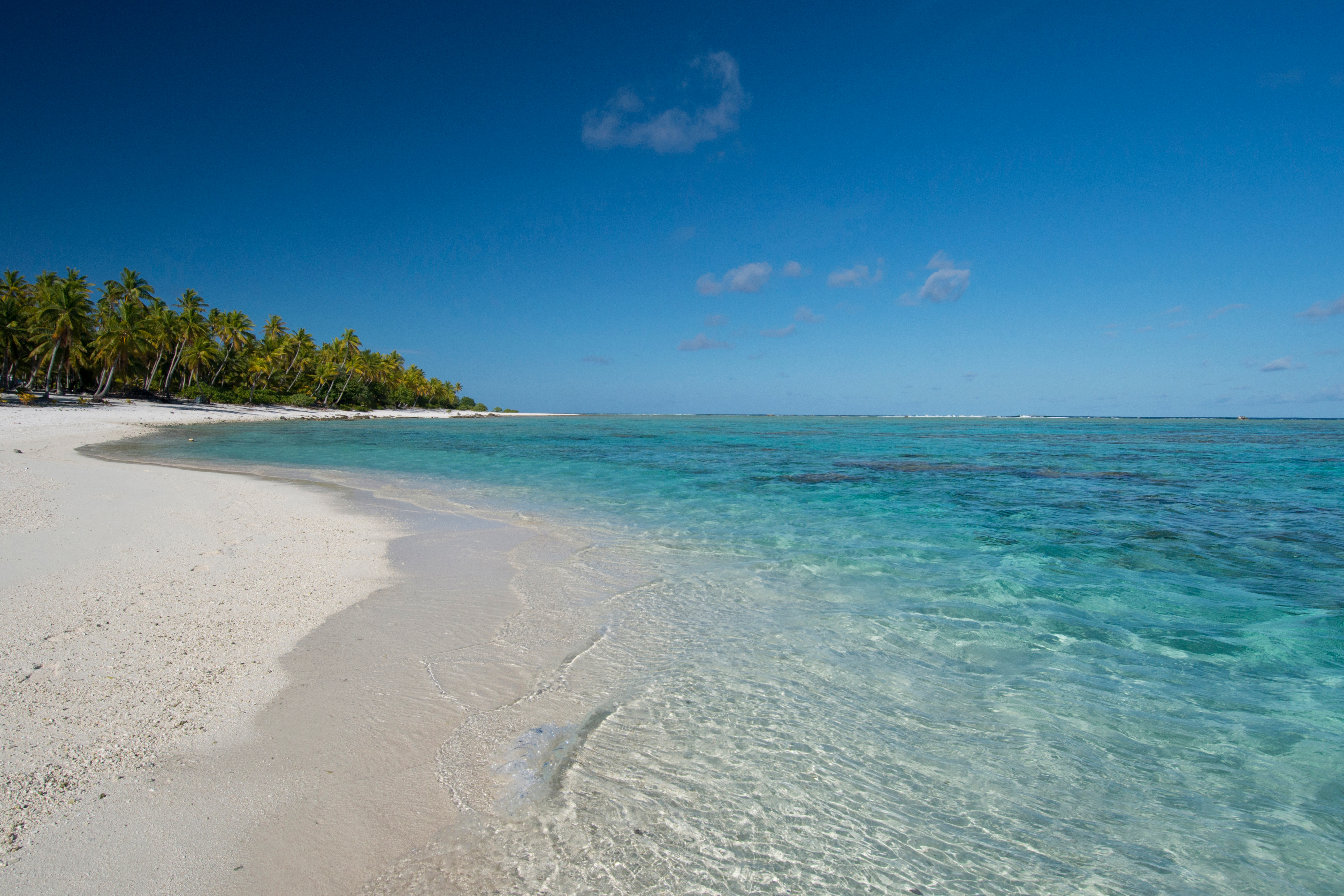
Tashirojima Island
As dawn breaks over Tashirojima, the island rouses gently from its slumber, cradled in the embrace of the Pacific Ocean’s vast expanse. The first light spills over the horizon, painting a delicate wash of pink and orange across the sky, casting soft shadows over the lush, undulating hills. The salt-tinged breeze carries the faintest whispers of the sea to the island's shores, rustling through the dense groves of cedar and camellia. This is not a place of grandeur or spectacle, but one of quiet wonder—a haven where time unravels slowly, its stories carried as much by the air as by the people who call it home.
Nestled within the Miyagi Prefecture of Japan, Tashirojima is a diminutive island, a mere 3.14 square kilometers, yet it holds an enigmatic charm that belies its size. Known colloquially as “Cat Island,” this unique realm boasts a feline population that intriguingly outnumbers its human residents. Here, cats roam freely, their lithe forms weaving through the narrow lanes of the island’s two villages, Nitoda and Oodomari. The gentle clang of a bell around a cat’s neck might catch your ear, mingling with the rhythmic lapping of the waves against the rocky shore.
The history of Tashirojima is as textured as the fabric of its landscape. In the Edo period, the island served as a stop for fishermen, who believed that cats were harbingers of good fortune. They revered these creatures, even constructing a shrine in their honor, Neko-jinja, where offerings are still left by those seeking prosperity. This deep-rooted veneration has shaped the island’s culture, turning it into a sanctuary for both its feline and human inhabitants. The cats, with their inscrutable gazes and soft footfalls, have become silent custodians of Tashirojima’s past.
Though only around sixty human residents remain, primarily elderly, their lives are interwoven with the rhythms of the island. Many are descendants of the fishermen who once thrived here, now tending to small gardens and the cats they hold dear. The island’s aging population faces the challenges of isolation, yet they do so with a sense of community and resilience that speaks to their enduring spirit. In the quiet of the afternoon, you might find a group of locals gathered to share a meal—rice, freshly caught fish, and seasonal vegetables—each bite infused with the taste of tradition and kinship.
Tashirojima is not merely a repository of human history; it is a living testament to nature's artistry. Its landscapes are a mosaic of vibrant greens and earthy browns, punctuated by the vivid colors of seasonal blooms. In spring, cherry blossoms cascade like confetti over the island, their soft fragrance hanging in the air like an unspoken promise of renewal. Autumn brings a dramatic transformation, as maple leaves blaze with crimson and gold hues, rustling softly underfoot like whispers of ancient secrets.
Amidst this natural splendor, the island’s architecture offers a glimpse into the creativity and adaptability of its inhabitants. The Manga Island resort, built in homage to Japan’s beloved comic art form, features whimsical, cat-themed cottages designed by some of the nation's leading manga artists. These structures serve as both a playful nod to the island’s feline fame and a testament to the importance of storytelling in Japanese culture, inviting visitors to connect with Tashirojima’s narrative through the lens of imagination.
The ecological significance of Tashirojima is understated yet profound. It stands as a testament to the delicate balance between humanity and nature, a microcosm where both coexist in harmony. This symbiotic relationship has drawn the attention of conservationists and scientists alike, who study the island as a model for sustainable living. Here, the ebb and flow of life are dictated by the cycles of the sea and the land, a dance of continuity and change that inspires reflection and respect.
A surprising facet of Tashirojima lies in its seasonal transformations. In summer, the island pulses with vibrant life, the air alive with the drone of cicadas and the laughter of children visiting from the mainland. In winter, a serene quietude envelops the island, the snow draping over rooftops like a soft blanket, muffling sounds and creating an atmosphere of introspection and stillness. Each season reshapes the island’s character, offering a new perspective on its timeless beauty.
Standing on the island’s rugged coastline, where waves crash against ancient rocks with a rhythmic persistence, one cannot help but feel a profound connection to the continuum of life. The stories of those who have walked these shores, both human and feline, resonate through the wind and the earth. As you watch the sun sink below the horizon, casting a golden glow across the water, you are left with a lingering sense of wonder and curiosity about what the future holds for this mystical isle.
Tashirojima may be small, and its population dwindling, yet its spirit endures, carried forth by its people and their four-legged companions. It is a place that invites introspection, urging visitors to ponder the delicate interweaving of past and present, nature and humanity. In this tranquil corner of the world, where cats reign supreme and history whispers through the trees, one discovers that sometimes, it is the simplest places that leave the most indelible marks on the soul.
Tashirojima Island is known as 'Cat Island' because cats outnumber humans six to one, believed to bring good luck to fishermen and protect the island from rodents.
The island features manga-themed lodgings designed by famous manga artists, attracting fans who wish to immerse themselves in a unique blend of pop culture and scenic beauty.
With a population of less than 100, Tashirojima is experiencing a demographic decline, with the majority of residents being elderly, making it a snapshot of Japan's aging society.
After the devastation of World War II, Tashirojima was revitalized by a government initiative focusing on agriculture and fishing, ensuring the island's economic survival.
Unlike many Japanese islands, Tashirojima is deer-free, which has allowed unique plant species to thrive without the threat of being overgrazed.