Dragon's Blood Trees
Socotra is famous for its dragon's blood trees, which produce a unique red sap historically used as medicine, dye, and even lipstick. These ancient trees are only found on Socotra and have an umbrella-like appearance.
Yemen
Socotra
At dawn, Socotra emerges like an enigma from the Indian Ocean, its contours etched against the first light of day. The island's silhouette, a blend of jagged limestone cliffs and undulating sand dunes, is softened by the morning mist that drapes its peaks. As the sun climbs higher, its rays pierce the fog, igniting the island's strange flora with hues of green and red. Dragon blood trees, with their umbrella-like canopies, stand as sentinels on the high plateaus, their gnarled branches casting intricate shadows on the arid ground. Their resin, crimson and sacred, has been harvested since antiquity, a testament to Socotra's ancient trade routes. Here, in this remote archipelago, nestled some 240 miles from Yemen's southern coast, the air is crisp with the tang of salt and the earthy scent of frankincense, whispering secrets of a land untouched by time.
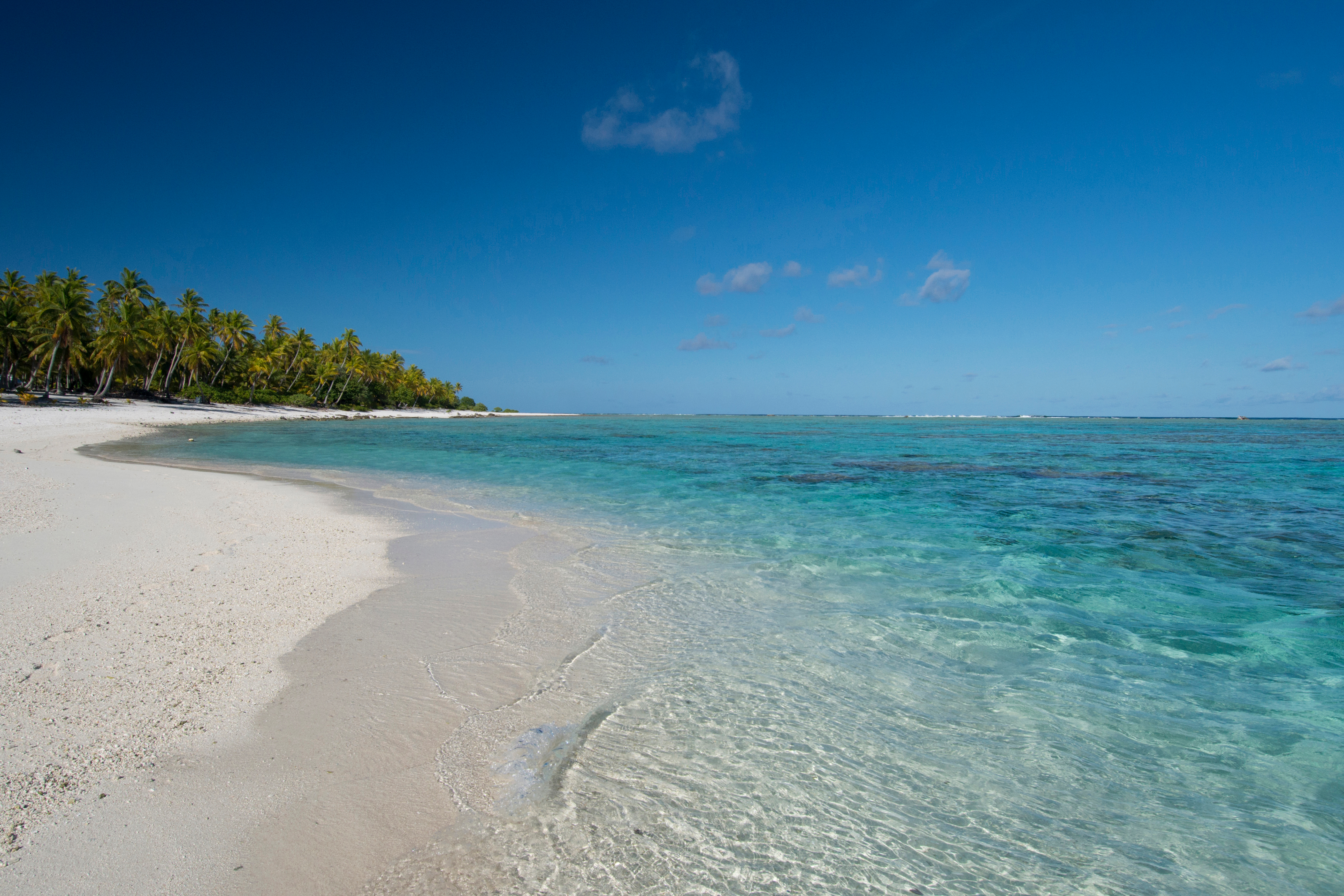
Descending towards the coast, the landscape unfolds into a kaleidoscope of contrasts. Turquoise lagoons lap against stark white beaches, while behind, mountains rise abruptly, their limestone faces weathered by millennia of wind and sea. The breeze carries with it the sound of waves crashing against rocky shores, mingling with the distant cries of seabirds. Beyond the initial impression of barren beauty lies a living tapestry—a biodiverse haven home to nearly 700 endemic species, found nowhere else on Earth. Step onto this soil and you'll feel the island's pulse, alive with the metallic calls of the Socotra starling and the melodic trills of the Socotra warbler, whose songs echo across this isolated paradise.
The history of Socotra is as rich and complex as its landscape. It is said that the island was once known as the "Island of the Phoenix," a nod to the mythological bird whose tears were believed to blend with the sap of the dragon blood tree to produce a miraculous resin. Ancient Greek sailors, Arab traders, and Portuguese explorers have all left their mark, drawn by the island's treasures. The island's name is thought to derive from the Sanskrit "Dvīpa Sukhadara," meaning "Island of Bliss," perhaps reflecting the allure it has long held for those seeking its shores.
Over the centuries, Socotra has been home to a mosaic of peoples, each adding a thread to its cultural fabric. The island's current inhabitants, numbering around 60,000, are descendants of these early settlers. They speak Soqotri, a language that predates Arabic, preserved in this linguistic time capsule by its isolation. In small villages scattered across the island, life unfolds much as it has for generations. Fishermen cast their nets into the sea's bountiful embrace, while women weave baskets from date palm fibers, their nimble fingers braiding tradition into every stitch.
Socotra's natural features are as diverse as its history. The Haghier Mountains rise in the island's interior, their peaks shrouded in mist and mystery. These rugged highlands are home to the Socotra desert rose, its bulbous trunk and delicate pink blossoms defying the harsh terrain. Here, too, the Socotran skink scuttles across sun-warmed rocks, a small reptilian reminder of the island's unique evolutionary path. In the island's caves, stalactites drip silently, their formations a slow, geological ballet.
The island's climate shifts with the seasons, each change breathing new life into the landscape. During the monsoon, winds sweep across the island with an almost tactile force, bending the dragon blood trees to their will and transforming dry riverbeds into torrents. In the calmer months, the island basks in a gentle warmth, its beaches inviting and serene, the ocean a mirror to the sky above.
Yet, amidst this beauty lies the crux of Socotra's narrative—its ecological fragility. Climate change and human impact pose threats to this delicate ecosystem. Conservation efforts are underway, led by locals and international scientists alike, striving to protect this living laboratory of evolution. The island's fate hangs in a delicate balance, its future entwined with the global narrative of sustainability and conservation.
One cannot speak of Socotra without mentioning its mysteries. The island's caves are rumored to harbor ancient inscriptions, remnants of lost languages and forgotten tales. Local lore speaks of the jin, spirits that are said to inhabit the windswept plateaus, guardians of secrets held in stone. These stories, passed down through generations, lend an air of mystique to the already otherworldly landscape.
As the sun sets over the Arabian Sea, Socotra transforms once more. The light softens, casting a golden glow over the island's contours, a final flourish of day before night cloaks the land. The call to prayer echoes softly from a distant village, a reminder of the human heartbeat that matches the rhythm of the island itself.
In Socotra, time seems to flow differently, spiraling around itself like the branches of its iconic trees. This island, suspended between past and future, invites contemplation of humanity's impact on the natural world. How can we preserve such a wonder without altering the very essence that makes it unique? In seeking answers, we are reminded that Socotra is more than mere land and sea—it is a living testament to resilience, adaptation, and the enduring connection between people and place. As you stand at the water's edge, the ocean breeze whispers a promise—that though distant and mysterious, Socotra is, above all, a shared heritage of our wondrous, fragile planet.
Socotra is famous for its dragon's blood trees, which produce a unique red sap historically used as medicine, dye, and even lipstick. These ancient trees are only found on Socotra and have an umbrella-like appearance.
Socotra's extreme isolation has led to the evolution of over 700 endemic species, including the peculiar cucumber tree and the Socotra starling bird, making it one of the most biodiverse places on Earth.
The Socotri language, spoken by the island's inhabitants, is one of the oldest Semitic languages still in use today and is considered a living relic of ancient linguistic evolution.
The island's unique geological formations, such as the towering limestone plateaus and deep caves, have earned it nicknames like 'the most alien-looking place on Earth,' captivating geologists and tourists alike.
Historically, Socotra was rumored to be a secret haven for pirates in the Indian Ocean, utilizing its strategic location to prey on passing trade ships during the 16th and 17th centuries.