Submarine Volcano Origins
San Benedicto Island is the summit of a large underwater volcano, which erupted in 1952, dramatically altering the island's landscape and forming a new lava dome known as 'Barcena Crater'.
Mexico
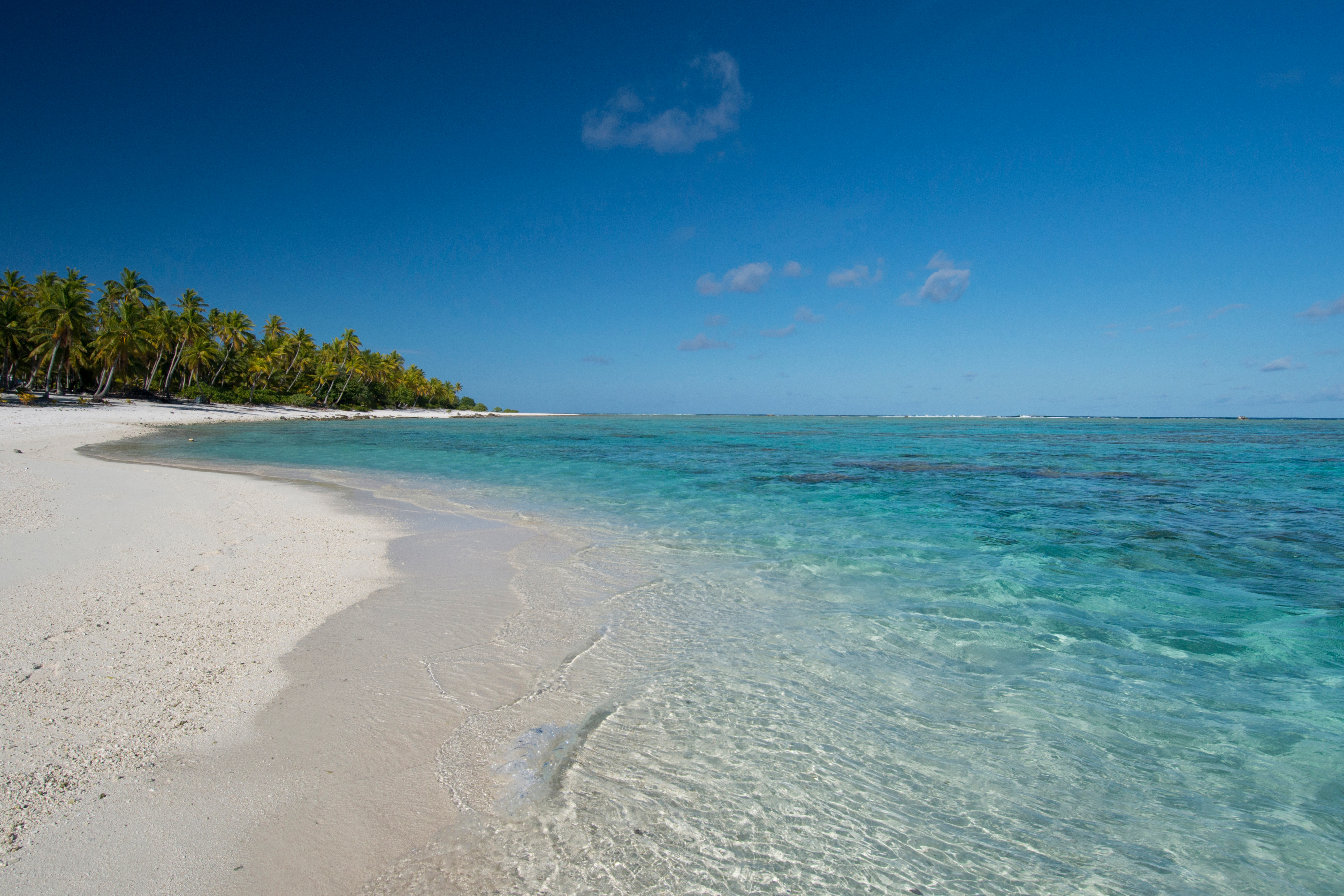
San Benedicto Island
At daybreak, San Benedicto Island emerges from the Pacific like a half-glimpsed vision, suspended between the cerulean sea and a sky brushed with streaks of tangerine and violet. This mysterious speck in the Revillagigedo Archipelago, a mere 220 miles south of Baja California, is both a monument to nature's fury and a sanctuary of silence. With each wave that crashes against its volcanic shores, the island sings a haunting melody of isolation and resilience. The humid breeze carries the scent of salt and sulphur, a reminder of the island's tumultuous birth from fire and brimstone.
The land itself, rugged and untamed, stretches out in a series of jagged ridges and ash-laden slopes. It is a place where time seems to stand still, where the only markers are the shadows that shift with the sun's ascent. As dawn transforms to day, the contours of San Benedicto reveal themselves—charcoal cliffs where seabirds wheel and cry, their forms stark against the vibrant canvas of the sky. This is where nature's palette finds freedom, painting scenes as wild and unpredictable as the island's own history.
The story of San Benedicto is etched in layers of volcanic rock, each telling of cataclysmic eruptions that sculpted this unyielding landscape. Its most recent upheaval, in 1952, reshaped the island, creating the stark silhouette that rises from the ocean today. The once-lush vegetation was buried under ash, yet life has found a way to reclaim its place. Hardy shrubs and grasses now cling to the rocky soil, whispering of rebirth and renewal in a land where destruction and creation walk hand in hand.
The human narrative of San Benedicto is as ephemeral as the footprints left on its black-sand beaches. In the 1800s, explorers and fishermen sought refuge on its shores, drawn by the promise of safety and fresh water. Their presence is a mere echo now, a reminder of the island's transient allure, forever shaped by the whims of the ocean and sky. But even in its emptiness, San Benedicto holds stories—a testament to the resilience of life in the face of nature's indifference.
Here, the natural world reigns supreme, and the creatures that call San Benedicto home are as unique and enigmatic as the island itself. The island's rocky crags serve as nesting grounds for the elegant, long-tailed tropicbird and the formidable masked booby. Their cries pierce the air, a symphony of survival echoing across the water. In the shallows, the swirl of aquatic life is a dance of color and motion—schools of vibrant fish darting through the coral reefs that skirt the island, a living tapestry woven over millennia.
Yet, it is the island's most unexpected inhabitants that captivate the imagination: the Galápagos sharks. These sleek predators glide silently through the azure depths, their presence a reminder of the delicate balance maintained in this remote ecosystem. Scientists, drawn by the island's isolation and biodiversity, study these waters, seeking to unlock the secrets held within this underwater world, where each ripple tells a story of evolution and adaptation.
San Benedicto's isolation has preserved its wild beauty, but it is not immune to the challenges that face our planet. Climate change whispers threats to this fragile Eden, altering currents and temperatures, testing the adaptability of life that clings to its shores. Despite its uninhabited state, the island is a microcosm of the environmental challenges that ripple across the world, a stark reminder of the interconnectedness of all life.
As evening falls, the island is bathed in the soft glow of twilight, the air heavy with the scent of salt and impending night. The cacophony of birds quiets, replaced by the gentle lapping of waves and the whisper of the wind through scrubby foliage. In these moments, San Benedicto feels like a world unto itself, a place where the past and future converge in a delicate dance of light and shadow.
Standing on its shores, one is filled with a profound sense of wonder and respect—a recognition of the island's enduring spirit, shaped by forces both seen and unseen. San Benedicto invites us to ponder our place in the world, to reflect on the power of nature to create and destroy, and to foster a connection with the earth that sustains us. Here, amidst the vastness of the Pacific, lies a silent sentinel, a testament to the resilience and beauty of the natural world.
In the end, San Benedicto Island remains an enigmatic beacon of solitude and strength, its presence a reminder of the indomitable force of nature and the enduring mysteries that await those willing to seek them out. As you turn away, the island lingers in your mind, a siren song calling you back to its shores, urging you to uncover the secrets etched into its scorched earth and restless sea. Here, in this remote corner of the world, the story of San Benedicto continues to unfold, a timeless narrative of life, loss, and the eternal hope of renewal.
San Benedicto Island is the summit of a large underwater volcano, which erupted in 1952, dramatically altering the island's landscape and forming a new lava dome known as 'Barcena Crater'.
This island was the only known habitat of the now-extinct San Benedicto Rock Wren, a bird species that vanished following the 1952 volcanic eruption.
In the 1960s, San Benedicto was used by the US Navy for testing amphibious military landing techniques due to its remote location and challenging terrain.
Despite its small size, San Benedicto Island is a vital breeding site for several seabird species, including the rare Townsend's Shearwater, which nests only here and on a few neighboring islands.