Napoleon's Final Exile
Saint Helena is famed as the final place of exile for Napoleon Bonaparte, who was sent there in 1815 and lived out his days in Longwood House until his death in 1821.
United Kingdom
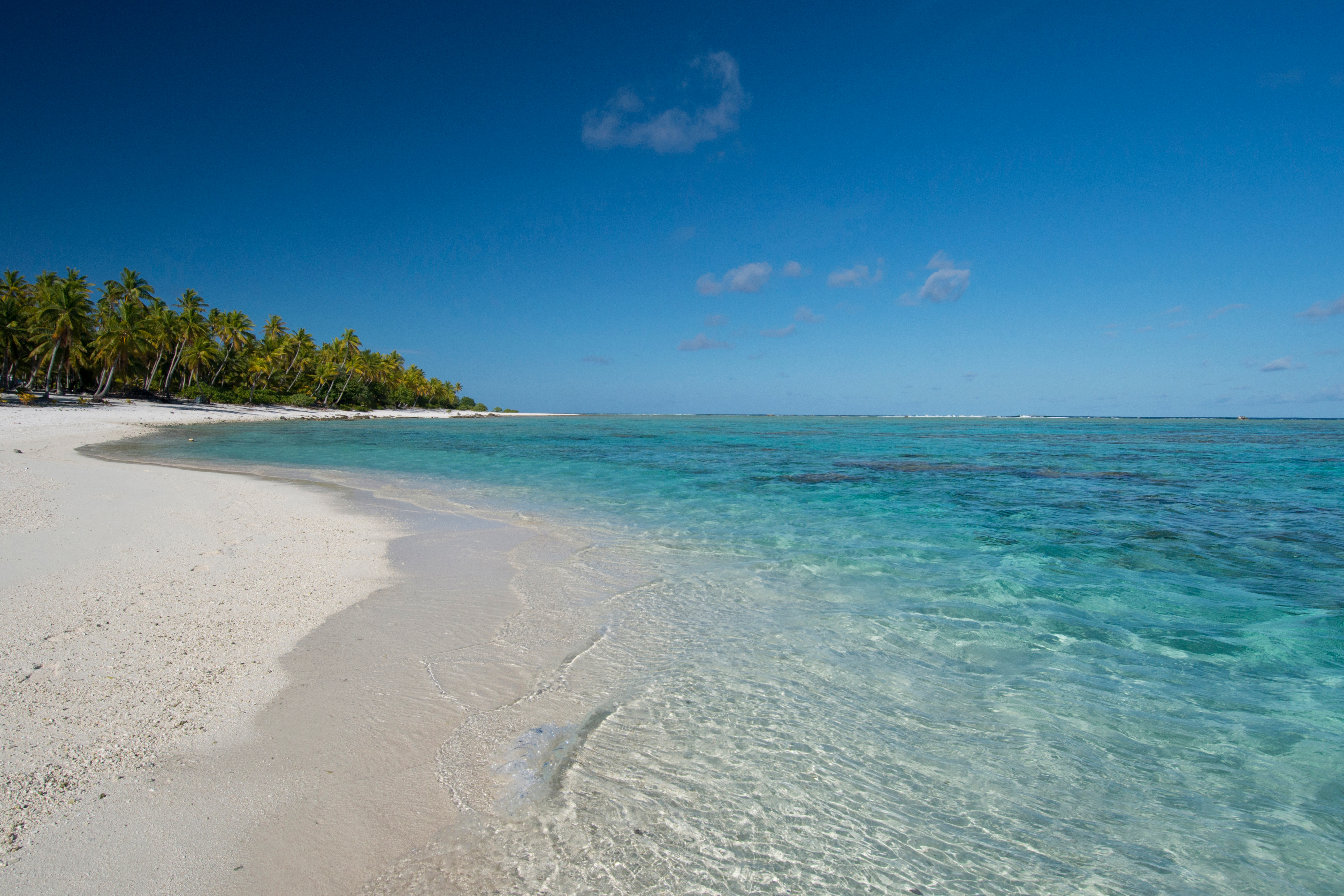
Saint Helena
At the meeting point of sky and sea, Saint Helena emerges from the vastness of the South Atlantic like an enigmatic sentinel. Bathed in the golden hues of dawn, its rugged silhouette contrasts sharply against the cerulean waves that have shaped its lonely shores for millennia. Here, the wind carries with it the tang of salt mingled with notes of heather and wild rosemary, whispering secrets of distant lands. As you step onto its volcanic soil, the air vibrates with the calls of the endemic wirebird, a faint echo of a past when these cliffs cradled the dreams of explorers and exiles alike.
Located nearly 1,200 miles off the coast of Africa and 2,500 miles from South America, Saint Helena's isolation is a canvas for nature's artistry. Steep cliffs rise abruptly from the ocean, their surfaces etched with the stories of time, while the lush valleys within nurture a diverse tapestry of life unseen anywhere else. The island's ethereal beauty lies not only in its landscapes but in the tales of resilience and survival that its people hold dear—a tapestry woven from the threads of history, culture, and an indomitable spirit.
The island's historical significance is as rich as its verdant valleys. In 1815, it gained notoriety as the final abode of Napoleon Bonaparte, exiled here to spend his days under the scrutinizing eyes of the British Empire. His presence lingers in Longwood House, where faded wallpapers and creaky floorboards whisper the saga of a fallen emperor who once dreamed of conquest. Visitors tread softly through echoing halls, their footsteps mingling with the sound of rustling leaves outside, creating a dialogue between past and present.
Yet the island's stories stretch far beyond Napoleon. In the depths of its soil, archaeologists have unearthed fragments of ancient pottery, tracing back to the island's earlier inhabitants—enslaved Africans and indentured laborers who were brought by passing ships. These stories are etched into the landscapes, from the solemn gravestones of Rupert’s Valley to the vibrant murals that splash color across Jamestown’s narrow alleys. In these quiet corners, the island's multicultural heritage finds expression, a testament to the resilience and adaptability of its people.
Nature, in its unbridled glory, claims Saint Helena with a breathtaking diversity that defies its compact size. The island is home to over 30 endemic plant species, including the distinctive cabbage tree, its gnarled branches reaching skyward like ancient sentinels, and the St. Helena ebony, once thought extinct but now carefully nurtured back to life. Its unique ecosystem offers refuge to a myriad of creatures, from the gentle glow of the endemic blushing snail to the vibrant flocks of fairy terns, their wings slicing through the island's azure skies.
The climate, too, dances to its own rhythm. As clouds pass over the island, they drape the highlands in a veil of mist, nurturing the cloud forests with their gentle embrace. Here, the air is heavy with the scent of earthy peat and fragrant mosses, while droplets of moisture cling to foliage like jewels. By contrast, the coastal regions bask in an arid warmth, where the stark beauty of lunar landscapes is punctuated by the sunburnt hues of rugged rock formations. Such contrasts form a living testament to the island's dynamic and multifaceted nature.
Life on Saint Helena unfolds at a contemplative pace, each day shaped by the rhythm of the tides and the cycles of the harvest. In the fishing village of Jamestown, locals gather along the wharf, their voices accompanied by the rhythmic lapping of waves against the harbor walls. Here, the catch of the day—tuna, wahoo, and the prized St. Helena lobster—is celebrated with a simple meal, flavors heightened by the briny air. Traditional crafts, too, find their place amidst the island’s modernity, with artisans expertly weaving baskets from flax, a trade passed down through generations.
Yet amid its serene beauty and vibrant life, Saint Helena harbors its mysteries. The island's rugged topography is riddled with networks of caves and caverns, some still unexplored, where legends speak of hidden treasures left by pirates seeking refuge from the imperial gaze. These tales, whispered over generations, give the island an aura of enchanted intrigue, inviting the adventurous to uncover secrets nestled deep within its rocky heart.
As the sun begins its descent, casting a warm glow over the landscape, Saint Helena transforms. Shadows stretch long across the terrain, and the cool evening breeze carries with it the scent of the sea, mingled with the earthy musk of night-blooming flowers. The island, steeped in history and vibrant in life, invites reflection—on the resilience of its people, the richness of its natural wonders, and the mysteries it still guards.
In contemplating Saint Helena, one ponders the paradox of isolation and connection. An island that once served as a remote prison now stands as a testament to survival and regeneration. Its past whispers of empires and exiles, yet in its storied landscape lies the promise of future discovery—a delicate balance between preservation and progress. Here, in this rocky outpost of the Atlantic, one finds a living narrative that is as much about the tenacity of nature as it is about the enduring human spirit. The island beckons to the traveler not merely as a destination but as a journey through time, urging a deeper understanding of its intertwined past and future.
Saint Helena is famed as the final place of exile for Napoleon Bonaparte, who was sent there in 1815 and lived out his days in Longwood House until his death in 1821.
The Saint Helena Plover, locally known as the 'Wirebird' due to its thin legs, is the only surviving endemic bird species on the island and is critically endangered.
Until recently, Saint Helena had one of the most remote internet connections in the world, relying on a satellite link with high latency, until a new undersea cable improved connectivity in 2022.
Saint Helena boasts over 400 endemic plant species, including the Saint Helena Redwood and Saint Helena Olive, some of which were thought extinct but rediscovered in the wild.
Jonathan, a Seychelles giant tortoise residing on Saint Helena, is estimated to be the world's oldest living land animal, having hatched around 1832 and still going strong.