Wild Horses' Ancestral Home
Sable Island is renowned for its population of over 500 wild horses, believed to be descendants of animals introduced in the late 18th century, surviving harsh conditions with no human intervention.
Canada
Sable Island
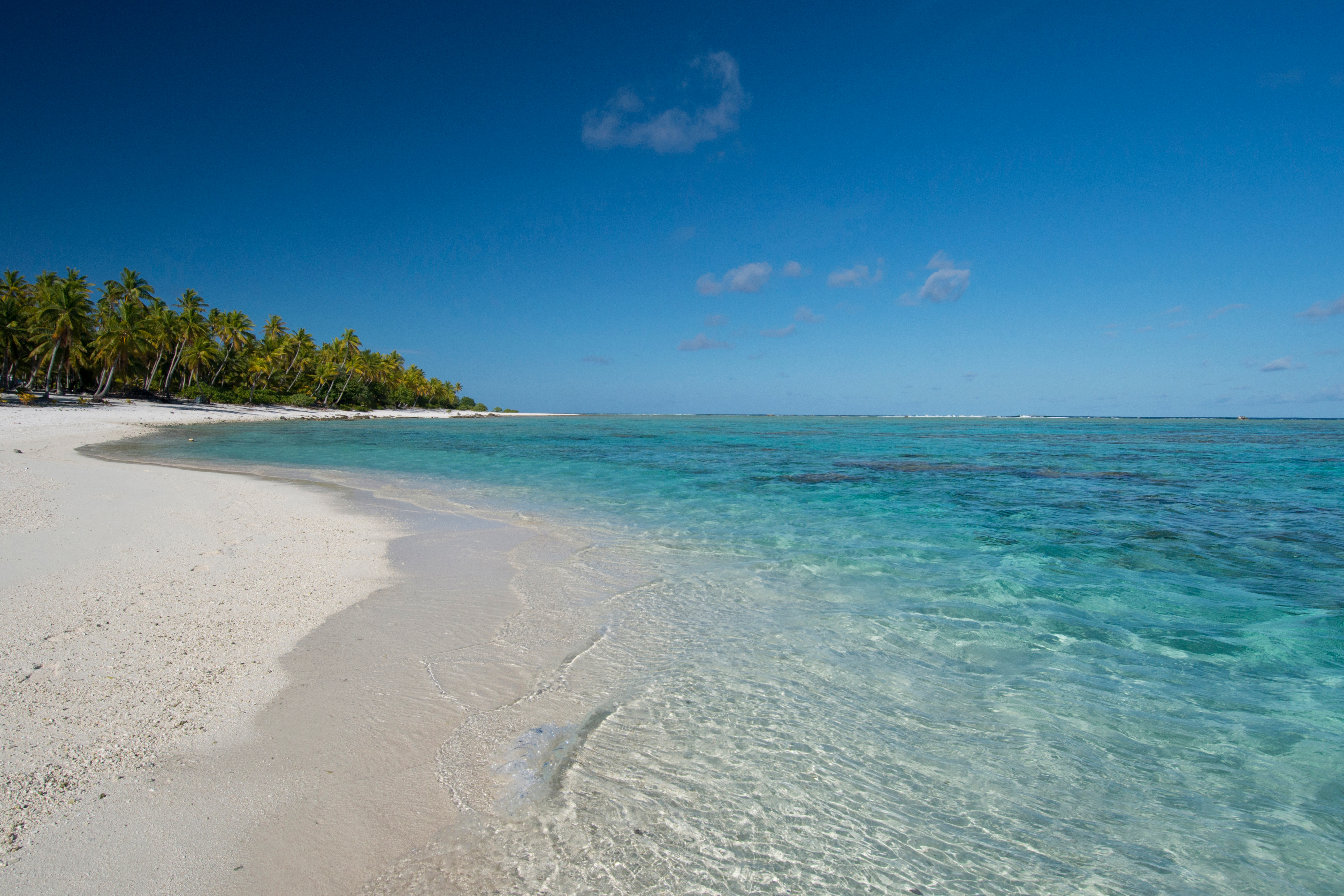
In the swirling mists of the North Atlantic, like a ghost adrift on the sea, Sable Island emerges with an ethereal presence, a crescent of sand and mystery tethered 190 miles southeast of Halifax, Nova Scotia. Here, where the relentless embrace of the ocean meets the sky, the island whispers ancient secrets carried by the salt-laden breeze. As dawn breaks, the island is bathed in a delicate palette of pastel hues—pinks and greys that blur the line between earth and atmosphere. Waves crash against the shore in a rhythmic symphony, their foamy crests catching the first light and dissolving into the sand, a continuous, cyclical dance that has shaped this enigmatic land for millennia.
Sable Island, just 26 miles long and barely a mile wide at its broadest, is a realm of contradictions—a barren desert adrift in the sea, yet teeming with life. Its treacherous sands have claimed over 350 shipwrecks since the first recorded disaster in 1583. This "Graveyard of the Atlantic" is a testament to the ocean’s fury, each wreck a silent sentinel of the past, buried beneath dunes that shift with the wind. As you step onto its shores, a sense of solitude envelops you, a reminder of nature's indomitable power and the fragility of human endeavor.
The island's most famous inhabitants, the wild horses of Sable, roam freely across the grassy dunes, their manes tangled by the ceaseless wind. Descendants of horses abandoned by early settlers or possibly from shipwrecks, they have become symbols of resilience, embodying the spirit of survival in this harsh landscape. Observing these creatures as they graze or gallop along the beach is to witness a tableau of raw beauty and freedom—manes and tails flowing like banners in the wind, hooves carving patterns in the sand.
Yet, the island's allure extends beyond its equine residents. Sable's unique ecosystem is home to over 190 plant species, from the delicate purple iris to the tenacious marram grass that anchors the dunes. In the summer, the air is alive with the chatter of gulls and terns, while seals bask lazily along the shore, their sleek bodies glistening in the sun. The island’s waters, once feared for their treachery, now offer a sanctuary for grey and harbor seals, their playful antics a spectacle of grace and agility.
The island's human story is as rich as its natural tapestry. Through the 18th and 19th centuries, the brave souls of the Sable Island Humane Establishment patrolled these shores, risking all to save shipwrecked mariners. For nearly two centuries, generations of families lived and worked on the island, their lives intertwined with its fate. Today, their stories are preserved in the ruins of old life-saving stations, where rusted metal and weathered wood stand as poignant reminders of human tenacity.
Sable Island is a place of scientific wonder as well. Its shifting sands provide a natural laboratory for studying coastal ecology and climate change. Researchers trek across its dunes, collecting data on everything from the migration patterns of birds to the genetic diversity of seals and horses. Each study, each discovery, adds a piece to the puzzle of understanding this dynamic environment and its role in the broader Atlantic ecosystem.
The island’s climate is a study in extremes, its weather unpredictable and mercurial. In winter, fierce storms sweep across the land, sculpting the sands into new forms; in summer, the island basks under long, sun-drenched days, the air filled with the scent of seaweed and blooming wildflowers. It’s a place where time seems to stretch and compress, where the past and present exist in a delicate balance.
Yet, Sable Island’s future hangs in a precarious balance. Rising sea levels and climate change threaten to submerge this sandbar sanctuary, potentially erasing centuries of natural and human history. It is a stark reminder of our planet's vulnerability, a call to action for those who cherish its beauty and mystery. The island's fate lies in the hands of those who strive to protect it, ensuring that future generations may also stand on its shores and feel the same awe and wonder.
Standing on Sable Island, you are reminded of the intricate dance between land and sea, the delicate interplay of life and survival. It is a place that defies easy categorization—a wild Eden and a haunting graveyard, a sanctuary and a battleground. As you close your eyes and listen to the wind's mournful song, you can almost hear the echoes of those who came before, whispering their stories to the sands that hold them forever.
In Sable Island's shifting sands, we find a mirror to our own existence—a fragile, beautiful journey through time, shaped by forces beyond our control, yet rich with moments of breathtaking wonder. As you leave, the island lingers in your heart, a haunting reminder of the mysterious dance of nature and history, and the eternal quest for understanding amidst the ever-changing tides of the world.
Sable Island is renowned for its population of over 500 wild horses, believed to be descendants of animals introduced in the late 18th century, surviving harsh conditions with no human intervention.
The island's treacherous waters have claimed over 350 ships since the 16th century, earning it the ominous title of the 'Graveyard of the Atlantic'.
Sable Island hosts over 190 plant species, including the Sable Island blue, a plant endemic to this island's unique ecosystem.
The island harbors a solitary meteorological station that has been crucial for North Atlantic weather forecasting since the early 20th century, largely operated by a small rotating crew.
The island is essentially a 42-kilometer-long sandbar, constantly reshaped by wind and waves, with its size and shape changing dramatically over decades.