Crocodile-Infested WWII Site
In 1945, during the Battle of Ramree Island, hundreds of Japanese soldiers reportedly fell victim to saltwater crocodiles in the largest crocodile attack on humans ever recorded.
Myanmar
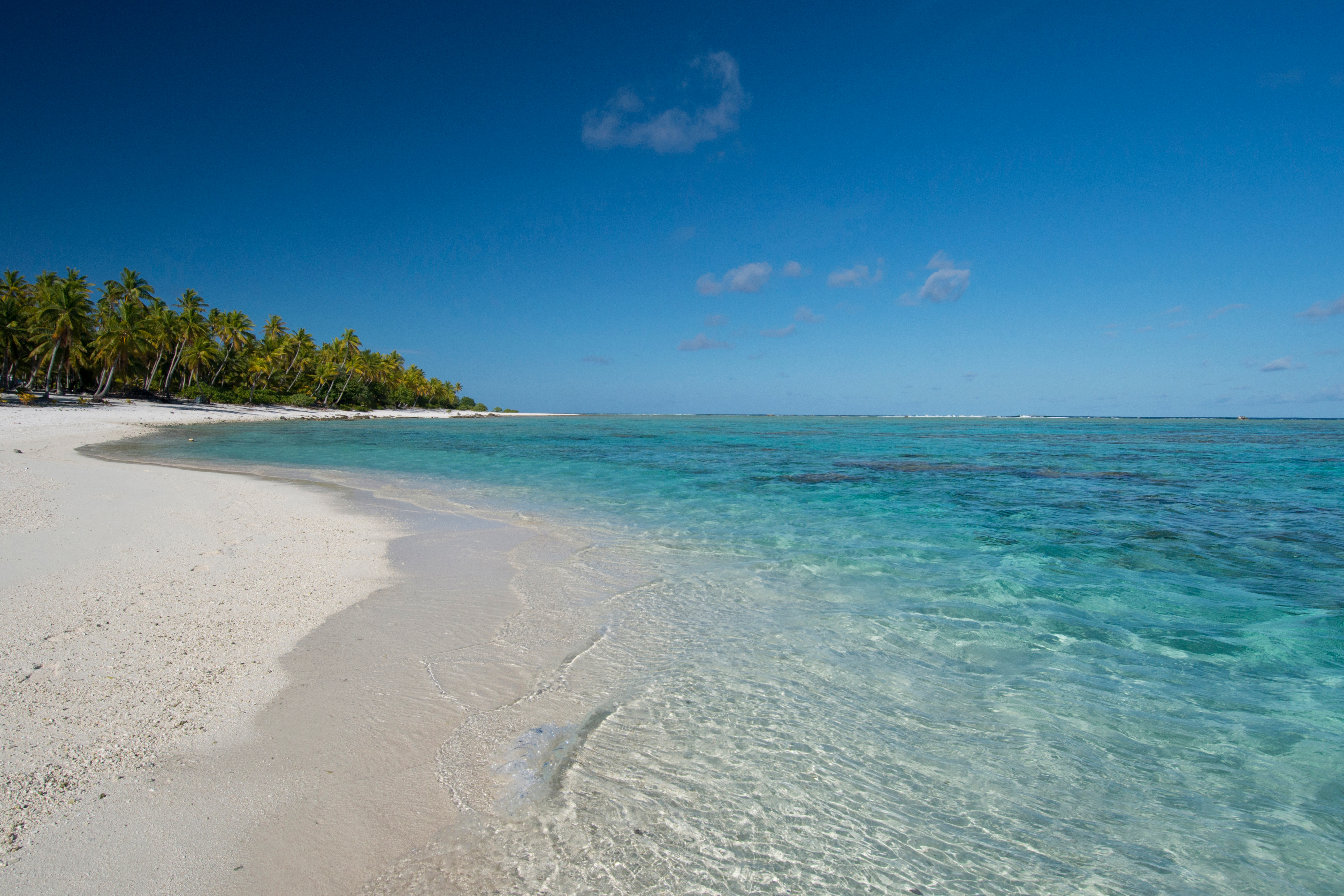
Ramree Island
As the first light of dawn spills across the Indian Ocean, Ramree Island unveils itself with a haunting allure. Here, in this realm claimed by both sea and time, the air is thick with the ghostly echoes of history. Mist rises delicately from mangrove swamps, curling like fingers around the twisted trunks, while the distant screech of a Brahminy kite cuts through the serenity. The island, a sprawling labyrinth of estuaries and dense forests, stretches languidly off the coast of Myanmar, its green heart pulsing with the thrum of life hidden beneath verdant canopies.
Step ashore, and the scent of salt mingles with the earthy musk of tidal marshes, creating an olfactory tapestry that speaks of ancient maritime tales. The sand beneath your feet is soft, whispering secrets of the past with every step. Overhead, the sun climbs slowly, painting the sky in hues of amber and rose, casting long shadows that dance across the landscape. This is Ramree Island—a place where every breeze carries a story, and every ripple hints at mysteries untold.
The island's history is as turbulent as the surrounding waters. During the Second World War, Ramree bore witness to one of the most harrowing yet lesser-known episodes. In 1945, British forces clashed with the Japanese army on this soil in a brutal confrontation. The battle, remembered for the horrific fate that befell retreating Japanese soldiers, is a grim chapter that lingers in the collective memory of the island. Engulfed by the crocodile-infested swamps, hundreds of soldiers met their end in what has become a poignant reminder of nature's raw power and indifference to human conflict.
Today, the island's 400,000 inhabitants live in harmony with their surroundings, weaving their lives into the fabric of this land. Fishing boats bob gently in the turquoise waters, their hulls weathered by years of service. Onshore, the rhythmic beat of rice paddles can be heard in the paddies, where farmers, bent under the sun's relentless gaze, coax life from the fertile earth. These people, descendants of myriad cultures that have swept through the region—Burmese, Rakhine, and even remnants of colonial British—embody a resilience as deep-rooted as the mangroves themselves.
Ramree's natural features offer a stunning contrast to its somber history. The island is a sanctuary for wildlife; its mangroves serve as breeding grounds for a plethora of species. Among them, the elusive saltwater crocodile lurks, an apex predator whose presence is both feared and revered. Birdsong fills the air, a vibrant chorus of kingfishers and hornbills, their plumage a riot of color against the verdant backdrop. Yet, it is perhaps the sea turtles that capture the most hearts, lumbering ashore under the cloak of night to lay their eggs in a timeless ritual of survival.
The cultural significance of Ramree is woven into its daily rhythms and annual cycles. Festivals bring villages alive with color and sound, as traditional dances and ancient chants echo into the night. The Sea Festival, a celebration of the ocean's bounty, sees fishermen offering the first catch to the deities that watch over the waters, a tradition steeped in gratitude and reverence for the sea's gifts. In contrast, the island's Buddhist temples stand as oases of peace, their golden spires glinting under the sun, offering a sanctuary for reflection amidst life's hustle.
Amidst the familiar tales of resilience and survival, Ramree holds surprises that intrigue the curious traveler. The island's geology is a marvel of volcanic rock and sedimentary layers that tell a story of Earth's evolution over millennia. In recent years, scientists have turned their attention to these formations, uncovering fossils that hint at a prehistoric era when dinosaurs roamed these lands. The discovery of a new species of frog, living only in Ramree's unique ecosystem, adds another layer to its ecological mystique.
As twilight descends, casting a gentle veil over the island, the soundscape alters once more. The chirping of cicadas rises in a crescendo, accompanied by the soothing lullaby of waves lapping against the shore. The moon, a silver specter, climbs into a sky studded with stars, casting ethereal light upon the landscape. In this tranquil moment, one cannot help but reflect on the delicate balance that sustains Ramree—a place where the past and present are eternally entwined.
Ramree Island is a living testament to the resilience of life in the face of adversity. It is a place where nature's harsh beauty and humanity's indomitable spirit coexist. As you stand on its shores, the island whispers its stories, eager to share its secrets with those who listen. Yet, it poses questions too: How will it navigate the challenges of climate change and modernization that loom on the horizon? What role will its people play in preserving the delicate ecosystems that define it?
In the end, Ramree leaves you with a sense of wonder, a reminder of the world's vastness and the intricate tapestry of life that inhabits even its most remote corners. It invites you to ponder not just its future, but the future of all places where the past is a living presence, and where each sunrise brings with it the promise of new stories waiting to be told.
In 1945, during the Battle of Ramree Island, hundreds of Japanese soldiers reportedly fell victim to saltwater crocodiles in the largest crocodile attack on humans ever recorded.
Ramree Island's unique location in the Indian Ocean offers significant potential for tidal energy generation, with strong tidal currents that could power thousands of homes.
The island is home to expansive mangrove swamps, a critical habitat that supports a wide range of biodiversity, including several endemic fish and bird species only found in this region.
During WWII, Ramree Island was a strategic military base for the Allies, providing a critical launch point for operations in the Southeast Asian theatre.
Once a British colonial outpost, remnants of colonial architecture still dot the island, offering a glimpse into its past as a bustling trade hub during the 19th century.