Descendants of One Man
Every resident of Palmerston Island is a descendant of William Marsters, an Englishman who settled there in 1863 with three Polynesian wives. The island's population of around 60 people today maintains strong familial ties.
Cook Islands
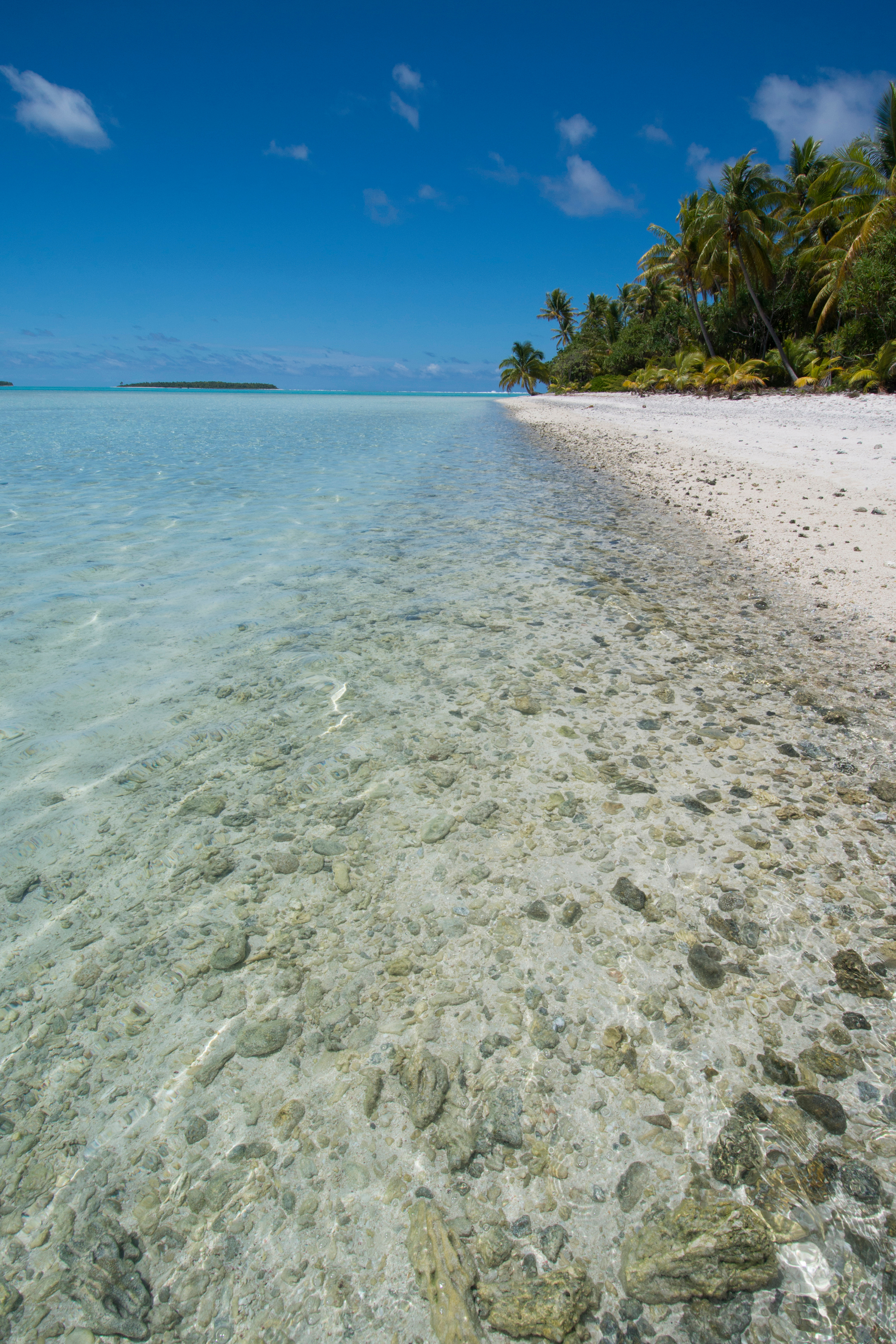
Palmerston Island
At the edge of the vast South Pacific, where the ocean’s sapphire expanse meets the sky, lies Palmerston Island—a solitary speck in the boundless blue, part of the Cook Islands archipelago. As dawn breaks, the island emerges from the embrace of night like a secret whispered only to those who dare to listen. The sun spills over the horizon, painting the sky in hues of coral and gold, its light dancing on the turquoise lagoon that cradles Palmerston in a gentle, shimmering embrace. Here, the air is thick with the scent of salt and sun-warmed sand, and the rhythmic lullaby of the waves is punctuated by the distant cry of seabirds that circle lazily above.
Venture closer, and the island reveals itself in layers, like a story waiting to be told. The sandy shores, bleached white by relentless sun, give way to a lush interior where coconut palms sway lazily in the breeze. The island's heart is a mosaic of emerald greens, a testament to the resilience of life thriving in isolation. With each step, the landscape unfolds a new chapter, inviting you to delve deeper into its mysteries.
Palmerston's history is woven with tales as compelling as the island’s natural beauty. It was first sighted by Captain James Cook in 1774, but it remained uninhabited until the mid-19th century when William Marsters, an Englishman, claimed it as his own. Marsters settled here with his three Polynesian wives, establishing a dynasty whose descendants still inhabit the island today. The Marsters family, now numbering just 62 souls, lives in a harmonious blend of tradition and modernity, their lives intertwined with the rhythms of the sea and sky.
The island’s isolation has preserved a way of life that is both simple and profound. Here, time seems to stretch and yawn, unfurling in leisurely increments dictated more by the movement of the tide than by the hands of a clock. For the inhabitants, the sea is both larder and playground. Fishing remains a vital part of daily life, with men casting nets into the lagoon at dawn, their silhouettes stark against the rising sun. The catch of the day—often parrotfish or mahi-mahi—becomes a communal feast, seasoned with coconut and breadfruit, the flavors of the island itself.
Palmerston’s lagoon is a marvel of ecological diversity, a kaleidoscope of life hidden beneath the waves. Coral gardens shimmer in the underwater light, harboring myriad species of fish that dart and weave in a vibrant ballet. The lagoon is a living museum, displaying forms of life that have thrived here for millennia, untouched by the pace of modernity. Yet, this paradise is fragile. The islanders are acutely aware of the rising sea levels that threaten to reclaim their ancestral home, a poignant reminder of the delicate balance between nature and human endeavor.
Though Palmerston may seem timeless, change is inevitable even here. The island has no airport, and the only link to the outside world is a supply ship that arrives infrequently, bringing with it news and necessities from afar. This tenuous connection underscores the islanders' resilience and adaptability, qualities that have allowed them to thrive in splendid seclusion. Yet, whispers of the outside world occasionally ripple through the community, carried on the air like the plaintive notes of a distant song.
As the sun begins its descent into the sea, the sky deepens into a tapestry of indigo and violet. Stars emerge, one by one, their light unfettered by the pollution of electricity, casting a gentle glow over the island. The air is cool now, carrying the sweet scent of frangipani and the faint echo of laughter from the village. It's a time for stories, for the telling of tales passed down through generations, each word a thread in the rich tapestry of Palmerston’s heritage.
Standing on the shore, it’s easy to feel the weight of history, both natural and human. The island is a testament to resilience, to the enduring bond between people and the land they call home. Yet, it also poses questions about the future, about sustainability and the impact of climate change on remote communities. In its isolation, Palmerston invites contemplation, urging us to consider not just the beauty of the world but our responsibility to protect it.
As you leave Palmerston, the whisper of the waves lingers, a reminder of a place where time holds its breath and life unfolds in harmony with the tides. The island's secrets remain, tucked away in the folds of its history, waiting for those intrepid enough to seek them out. In its stillness, Palmerston offers a glimpse into the intricate dance of tradition and change, a place where the past and future meet beneath the endless Pacific sky.
Every resident of Palmerston Island is a descendant of William Marsters, an Englishman who settled there in 1863 with three Polynesian wives. The island's population of around 60 people today maintains strong familial ties.
Palmerston Island operates on a unique barter system where residents trade fish and other local goods instead of using currency, reflecting a traditional Polynesian way of life.
With no airstrip and infrequent boat visits, Palmerston Island is one of the most isolated inhabited places on Earth, receiving only a handful of visitors each year.
In 2015, Palmerston Island transitioned to solar power, significantly reducing its reliance on diesel generators and promoting sustainable living in this remote corner of the Pacific.
The islanders speak a unique blend of English and Cook Islands Maori, a linguistic mix that reflects their mixed heritage and the influence of Marsters’ English origins.