Rabbit Island Invasion
Okunoshima is famously known as 'Rabbit Island' due to its large population of over 1,000 wild rabbits, which outnumber the human residents and are thought to be descendants of pets released after WWII.
Japan
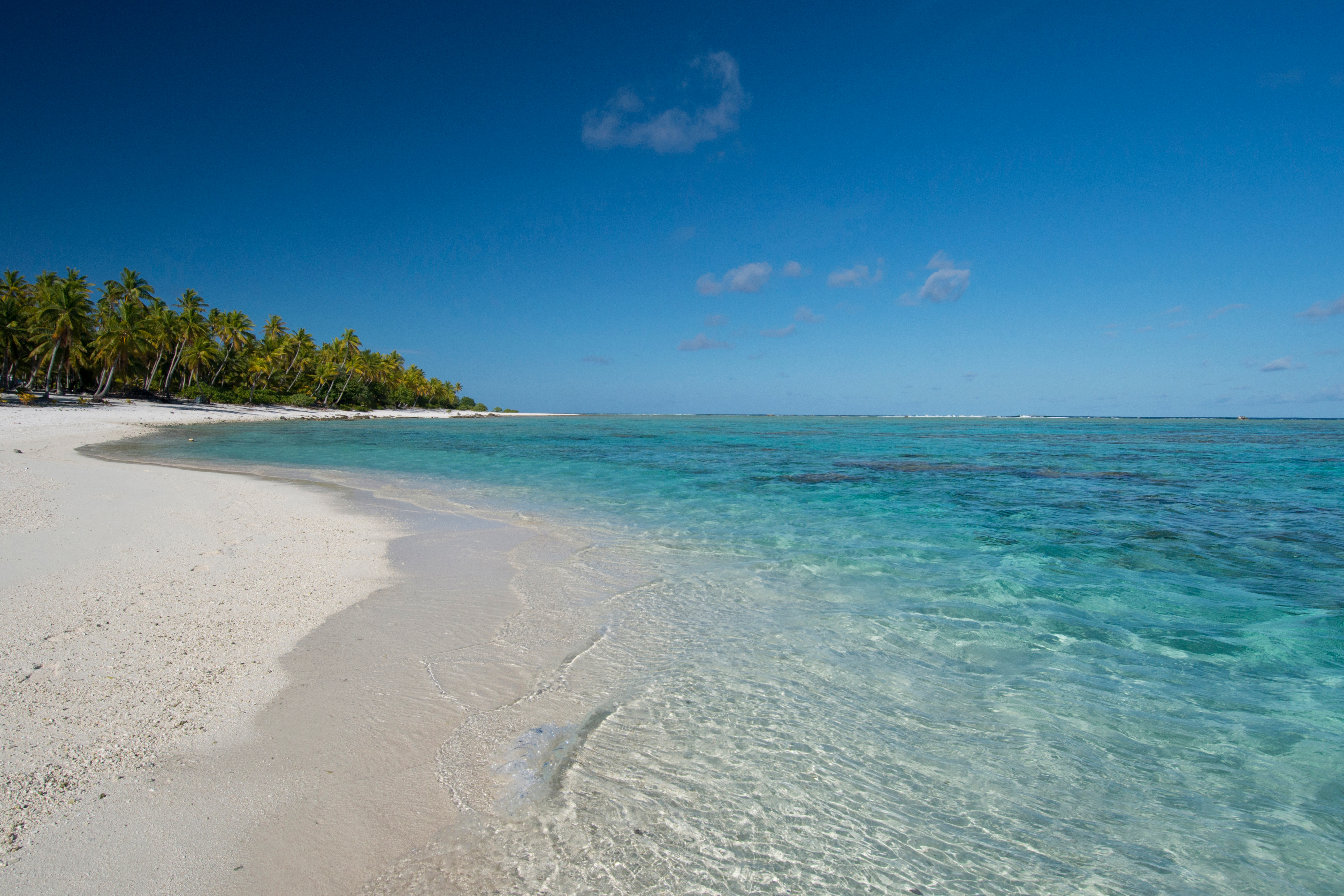
Okunoshima Island
In the hushed hours before dawn, Okunoshima Island lies cloaked in the serene embrace of the Seto Inland Sea, a solitary silhouette against the vast Pacific. As the first fingers of light creep across the horizon, the island stirs awake—a place where history, nature, and whimsy converge in an unexpected dance. The salt-laden air, tinged with the crispness of early morning, whispers through the pine and camphor trees that blanket its rolling hills, carrying with it the faint, intoxicating fragrance of the sea.
Step ashore, and you are greeted not by human voices, but by the gentle patter of tiny feet. Known colloquially as "Rabbit Island," Okunoshima's most famous inhabitants—hundreds of wild rabbits—dart across the narrow paths and grassy knolls. Their soft, fur-covered bodies emerge from amidst the undergrowth, eyes wide with curiosity, as if guardians of this enigmatic isle. Once a secret military installation, the island now belongs to these playful creatures, whose presence is as mysterious as it is enchanting.
The history of Okunoshima is one of stark contrasts—a narrative etched into the weathered stone of its abandoned buildings. During the early 20th century, between 1929 and 1945, the island bore the burden of producing chemical weapons for the Japanese Imperial Army. The remnants of this dark chapter remain, ghosts of an era shrouded in secrecy. Concrete bunkers and derelict factories, their walls stained with time, stand as silent testaments to a past that few speak of openly. It is a reminder of the duality of human nature, of creation and destruction, life and loss.
As you wander, the island's natural beauty unfurls in every direction. To the west, the sun sets the sea ablaze, painting it with hues of gold and amber as it laps gently against the rocky shore. Dense foliage climbs steep cliffs, where the calls of kingfishers and herons echo, punctuating the symphony of crashing waves. The sound is a lullaby, timeless and unending, woven into the very essence of the island.
Okunoshima's flora is a study in resilience. Pine trees twist skyward, their bark rugged and gnarled, each a living sculpture shaped by relentless winds. Bright bursts of wildflowers carpet the ground, their petals vibrant against the verdant backdrop, a testament to the island’s regenerative spirit. The air is alive with the earthy scent of loamy soil, mingling with the sweet aroma of blossoming cherry trees—a sensory feast that paints a picture more vivid than any photograph.
While the island itself remains uninhabited, it is far from desolate. The human stories that have unfolded here are as diverse as they are poignant. During the post-war years, Okunoshima was reclaimed as a public space, its dark past gradually giving way to the light of healing and remembrance. Visitors, drawn by the island’s unique charm and historical significance, contribute to a new narrative—one of reconciliation and reflection. They arrive as strangers, leaving with a shared connection to a place that defies simple definition.
In the spring, the island transforms, its cherry blossoms unfurling in a delicate explosion of pink and white. The sight draws people from across the globe, eager to witness the fleeting beauty of hanami—the traditional Japanese practice of flower viewing. Beneath the canopy of blooms, families and friends gather, their laughter mingling with the rustle of leaves, creating a tapestry of sound that speaks to the enduring power of nature to heal and unite.
As the day wanes, the island is cloaked in the soft glow of twilight. The air cools, carrying with it the distant murmur of the sea. Shadows lengthen, weaving intricate patterns across the ground, as if echoing the intricate history etched into the island’s very core. It is a moment suspended in time, where past and present, man and nature, converge in a peaceful harmony.
Okunoshima stands as a poignant reminder of our shared history and the enduring capacity for renewal. It challenges visitors to confront the complexities of its past while embracing the innocence and joy embodied by its current inhabitants. The island’s journey from secrecy and sorrow to sanctuary and serenity is a testament to resilience and hope.
As you leave Okunoshima, the soft patter of rabbit feet fades into the distance, yet their presence lingers—a symbol of the island’s transformation and a whisper of what might yet be. The questions it raises are as compelling as its vistas: How do we reconcile with our past, and what role do places like Okunoshima play in our collective future? In the gentle caress of the island breeze and the echo of its history, you find not just a destination, but a meditation on the enduring dance between nature and humanity.
Okunoshima is famously known as 'Rabbit Island' due to its large population of over 1,000 wild rabbits, which outnumber the human residents and are thought to be descendants of pets released after WWII.
During World War II, Okunoshima housed a clandestine poison gas factory, producing over 6,000 tons of chemical weapons in strict secrecy—so secret that it was removed from maps to keep its location hidden.
The island's defunct power plant, built in the 1920s, stands as a haunting relic, having been used to power the poison gas factory until it was abandoned after the war.
In recent years, Okunoshima has embraced its rabbit population as a tourist attraction, with visitors flocking to feed and photograph the friendly creatures, contributing to a unique form of wildlife tourism.
The island is a sanctuary for the endangered Japanese plant species, the Asarum minamitanianum, which thrives in the island's microclimate, making it a rare botanical haven.