Hawaiian Only Spoken Here
Niʻihau is known as the 'Forbidden Island' and remains the only place in the United States where Hawaiian is the primary language spoken at home, preserving its rich oral traditions.
United States
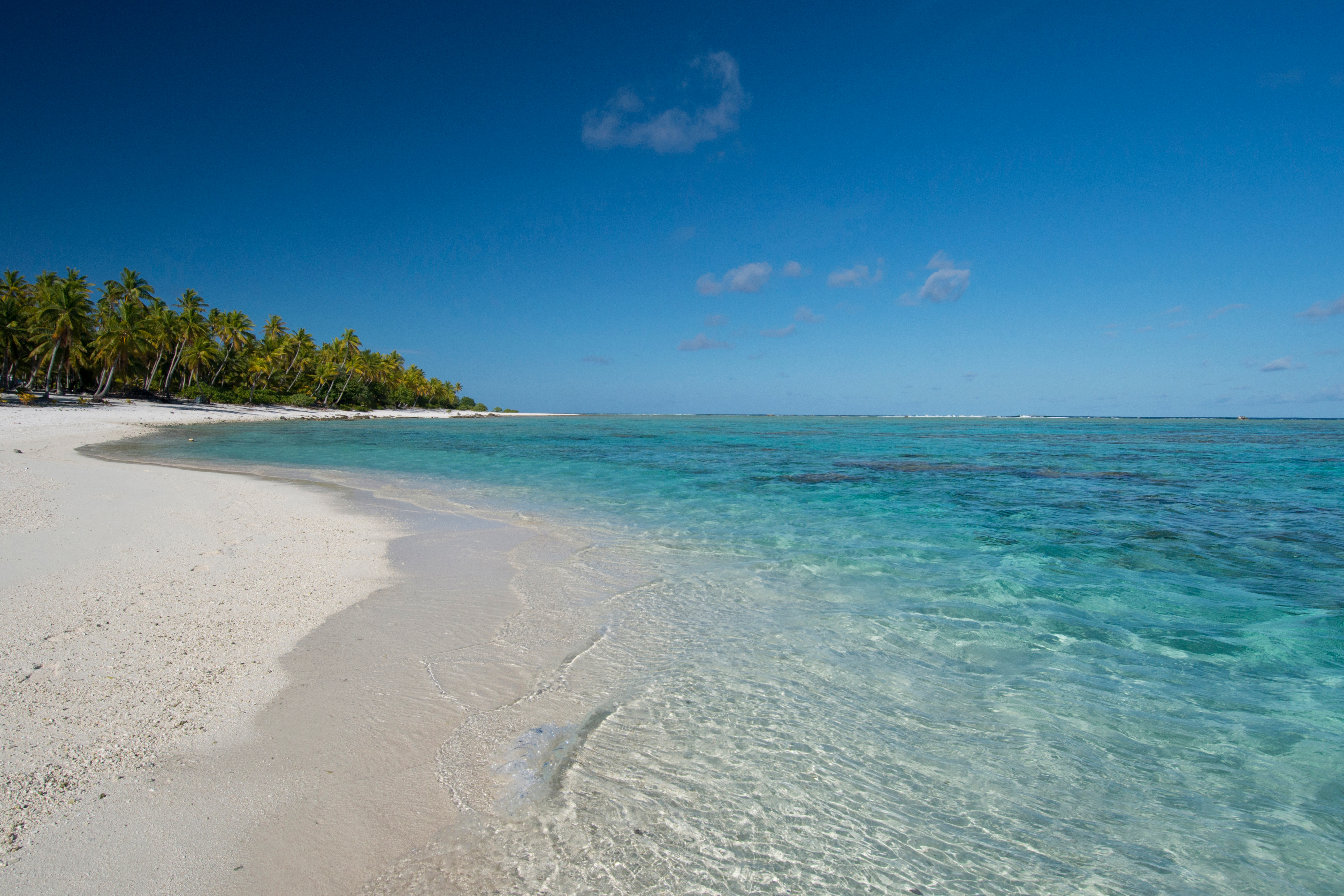
Niʻihau Island
As dawn breaks over the vast Pacific, Niʻihau Island emerges from the ocean mists like a forgotten whisper of time. The first rays of sunlight cast a golden sheen over its arid landscape, where the stark beauty of undulating sand dunes meets the deep blue of the surrounding sea. Here, 17 miles southwest of Kauai, the island holds its secrets close, a world apart from the bustling resorts and tourist attractions of its Hawaiian neighbors. Step onto its shores and feel the coarse sand beneath your feet, warmed by the sun's embrace, as the rhythmic crash of waves sets a timeless melody.
The air is tinged with the salty tang of the ocean, mingling with the earthy scent of kiawe trees. These hardy trees, with their twisted branches and resilient leaves, have stood sentry over Niʻihau for generations, surviving in a land where rainfall is rare and life must be as ingenious as it is enduring. In this remote enclave, where the horizon stretches unmarred by modernity, the island whispers tales from a past that still lingers in every breeze.
Niʻihau's history is as textured as its rugged terrain. Known as the "Forbidden Island," it has been privately owned since 1864 when Elizabeth Sinclair purchased it from King Kamehameha V for $10,000 in gold. Her descendants, the Robinson family, continue to oversee this enigmatic piece of land, preserving its unique cultural tapestry. The 170 residents of Niʻihau, many of whom are native Hawaiians, live in a community that cherishes tradition and the Hawaiian language, far removed from the distractions of contemporary life. Their days are marked by the cadence of age-old practices—fishing, weaving, and storytelling—passed down through generations, each act a thread in the island's rich cultural fabric.
The island's natural features tell their own story of survival and adaptation. Niʻihau is a sanctuary for native Hawaiian species, a haven where endangered birds like the puaiohi and the Nihoa finch find refuge. As you explore, listen for the rustle of wings in the brush, the distinctive chirps and calls that punctuate the silence. The island's isolation has fostered a unique ecosystem, making it a living laboratory for scientists and conservationists keen to study its rare flora and fauna.
Yet, amid this natural splendor, Niʻihau's landscape is defined by contrasts. During the dry season, the earth is parched and cracked, a testament to the harsh conditions that shape life here. But when the rains come, they transform the island into a verdant oasis, a brief but breathtaking metamorphosis that underscores nature's resilience. This cyclical rhythm of drought and renewal mirrors the islanders' own relationship with their land—one of respect and interdependence.
The human stories of Niʻihau are as compelling as its natural wonders. The island operates without many of the conveniences that the modern world takes for granted—there is no running water, no paved roads, and the primary mode of transportation is by horse or bicycle. Electricity comes from solar panels, a nod to sustainable living in harmony with the land. The residents are stewards of their environment, their lives intertwined with the rhythms of the ocean and the cycles of the seasons.
Traditional Hawaiian crafts thrive on Niʻihau, with its famed lei made from the island's rare shells, known as "pupu o Niʻihau." These intricate creations are more than adornments; they are symbols of cultural heritage, each piece a testament to the skills honed over generations. The shells, meticulously gathered and strung, catch the play of light, their subtle hues reflecting the island's palette.
But perhaps the most unexpected detail about Niʻihau is its role in history beyond its shores. During World War II, a Japanese pilot crash-landed on Niʻihau after the attack on Pearl Harbor, leading to a dramatic confrontation that would become known as the "Niʻihau Incident." This event highlighted the island's strategic importance and its place on the global stage, even as it remained physically sequestered from the world's tumult.
As you stand on one of Niʻihau's ancient beaches, the wind carries echoes of a past that seems distant yet palpably close. The island's legacy is one of perseverance, of a community bound by a deep connection to the land and to each other. In the face of modernization and external pressures, Niʻihau remains a bastion of Hawaiian culture, a testament to the enduring power of place.
In closing, Niʻihau invites introspection. It challenges us to consider what is truly essential, to ponder the balance between preservation and progress. As you leave its shores, the island stays with you, a reminder of the profound beauty in simplicity and the stories that shape our world. In a time when the march of progress seems unstoppable, Niʻihau stands as a living chronicle of what was and what might yet be.
Niʻihau is known as the 'Forbidden Island' and remains the only place in the United States where Hawaiian is the primary language spoken at home, preserving its rich oral traditions.
The entire island of Niʻihau has been privately owned by the Robinson family since 1864, purchased from the Kingdom of Hawaii for $10,000 in gold, maintaining strict access restrictions to this day.
Niʻihau is famous for its intricate shell lei necklaces, crafted from tiny shells found only on its shores, which can sell for thousands of dollars due to their rarity and craftsmanship.
The island's remote beaches provide a critical habitat for the endangered Hawaiian monk seal, one of the rarest marine mammals in the world, with fewer than 1,400 individuals remaining.
During World War II, a Japanese pilot crash-landed on Niʻihau after the attack on Pearl Harbor, leading to a tense conflict with the islanders and ultimately his capture.