Baobab Avenue's Timeless Giants
The Avenue of the Baobabs is home to trees that are over 800 years old, reaching heights of nearly 30 meters, creating a natural cathedral-like corridor that draws visitors from around the globe.
Madagascar
Madagascar
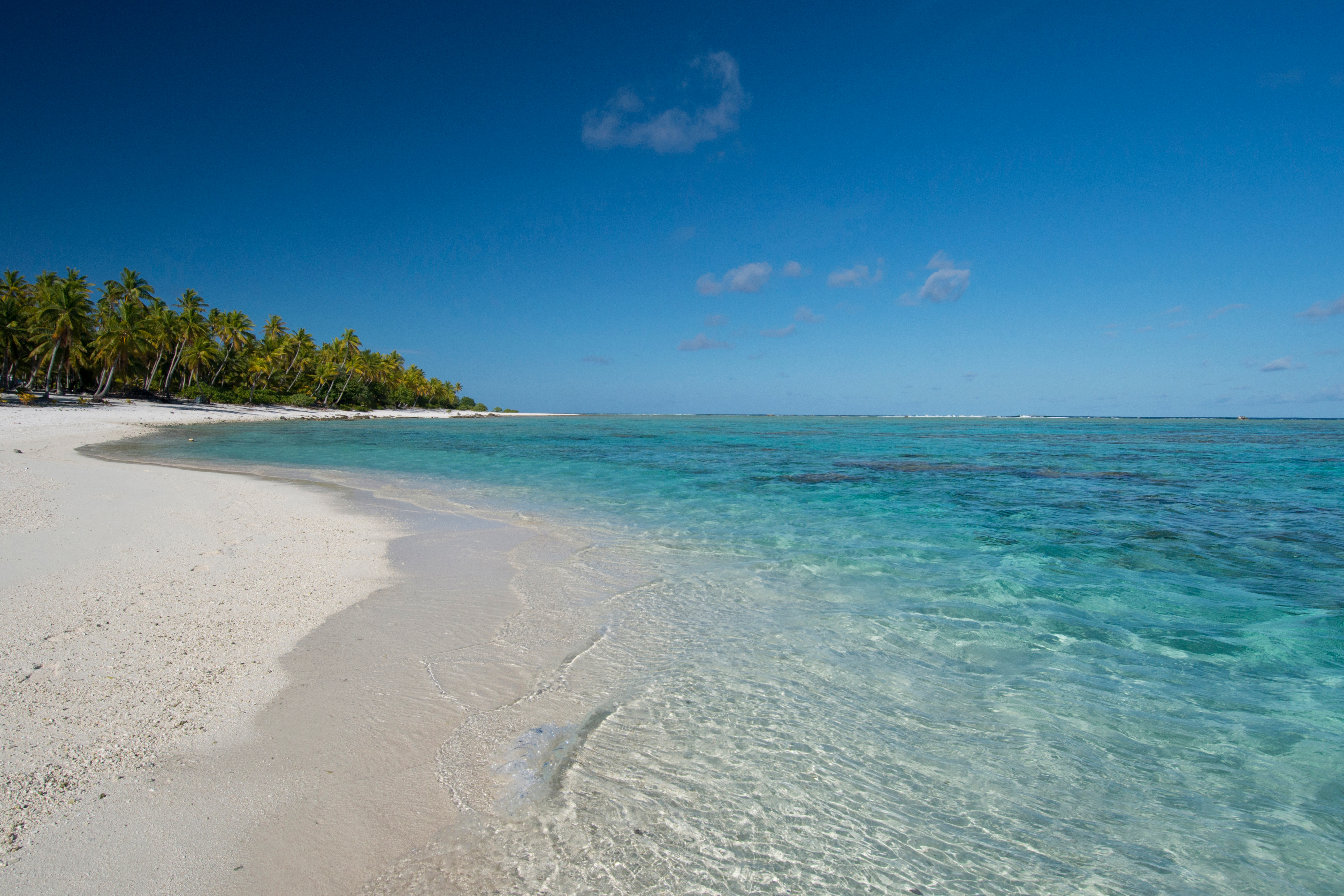
At dawn, Madagascar emerges like a majestic tableau, painted amidst the sapphire stretch of the Indian Ocean. The island, a colossal tapestry of biodiversity, awakes under a sun that casts golden hues across its myriad landscapes—from the rugged contours of the Tsaratanana Massif, mist weaving through its peaks, to the sprawling green expanse of the eastern rainforests. Here, the air carries the scent of damp earth and exotic blooms, infused with the scent of ylang-ylang, as lemurs serenade the morning with their haunting calls, a symphony of life that resonates through the towering canopies.
Step onto its fertile soil, and you are immediately enveloped by a world that seems untouched by time. Madagascar's isolation, marooned from the mainland of Africa for over 88 million years, has cradled an ecosystem that is as enigmatic as it is complex. Over 90% of its wildlife is found nowhere else on Earth, making it a living ark of evolution's most whimsical creations. As the morning sun rises higher, casting vibrant light onto the ochre soil, the island’s endemic baobabs stand as sentinels of time, their swollen trunks and sparse canopies casting elongated shadows that dance gently in the breeze.
The island’s history is as rich as its biodiversity, woven with tales of ancient mariners and settlers from faraway lands. The first human footsteps on this vast land were those of Austronesian seafarers who arrived around 350 BC, their canoes carving paths through the ocean, guided by the stars. They brought with them the seeds of rice and bananas, planting the first roots of human civilization on this untouched paradise. Later, Bantu migrants arrived from the African mainland, introducing cattle and iron, merging cultures that have since blossomed into the Malagasy identity, a tapestry of 18 distinct ethnic groups each with its own traditions, languages, and histories.
As you traverse the island, you’ll find it is a continent in miniature, where each region offers a different face of Madagascar’s beauty. In the north, the Ankarana Reserve’s labyrinth of limestone peaks, or tsingy, cuts a jagged silhouette against the sky. These razor-sharp formations, shaped by millennia of erosion, are home to rare wildlife and plants adapted to this challenging terrain. The tsingy’s sharp edges underscore a harsh beauty, a stark contrast to the lush rainforests of the east, where water cascades through dense foliage, and chameleons shift through a dazzling array of colors as they navigate their verdant kingdoms.
Among the island’s ecological wonders is the spiny forest of the south, a unique ecoregion where plants bristle with thorns, adapted to the arid climate. Here, the fossa, a carnivorous mammal likened to a small cougar, prowls—its presence a reminder of the island’s ancient lineage, a predator that has remained virtually unchanged for millennia. In the coastal waters, the island’s marine life flourishes. Coral reefs teem with color and movement, while the annual migration of humpback whales adds to the symphony of natural wonders, their songs echoing through the deep blue waters.
Yet, amidst these natural marvels, Madagascar faces profound challenges. Deforestation, driven by agriculture and the need for fuel, is eroding the very foundation of this ecological treasure. The island's unique flora and fauna are under threat, and with them, the cultural heritage of the Malagasy people. Traditional slash-and-burn agriculture, known locally as "tavy," and charcoal production have decimated miles of forest, altering the landscape forever and threatening the delicate balance that sustains life here.
The people of Madagascar, resilient and resourceful, are central to this narrative of survival and adaptation. In the remote villages, life follows the rhythm of the land. Markets buzz with activity, the air fragrant with the aroma of freshly peeled vanilla, cloves, and the rich, earthy scent of coffee beans. Women, their hands nimble and skilled, weave intricate patterns into silk lambas, traditional garments that tell stories of ancestors and the land. The Malagasy, with their profound connection to nature, understand the importance of conservation, their fady—or taboos—often serving as unwritten laws that protect species and habitats.
Despite its struggles, Madagascar is a land of hope and potential. Efforts to preserve its biodiversity and improve the quality of life for its inhabitants are underway, with conservation initiatives and eco-tourism offering sustainable paths forward. These efforts strive to balance the needs of the modern world with the preservation of traditions and ecosystems. The island's future hinges on this delicate balance, where the echoes of its past can guide it towards a sustainable future.
As the sun dips below the horizon, casting the island in shades of indigo and crimson, Madagascar reveals its quieter side. The night air is cool and filled with the scent of frangipani. In the distance, the sound of drums and Malagasy folk songs drift from a village, a testament to the enduring spirit and cultural vibrancy that define this extraordinary island. Madagascar’s story is one of resilience, a chronicle of life unfolding in splendid isolation. It invites you to listen, to see, to feel, and ultimately, to be a part of its ongoing narrative—a place where every dawn brings new possibilities, and every heartbeat echoes the rhythm of an ancient land.
The Avenue of the Baobabs is home to trees that are over 800 years old, reaching heights of nearly 30 meters, creating a natural cathedral-like corridor that draws visitors from around the globe.
Madagascar is the only place on Earth where you can find lemurs, a primate group that has existed for over 60 million years and boasts over 100 distinct species, many of which are critically endangered.
Malagasy, the national language of Madagascar, is closely related to languages spoken in Southeast Asia, particularly Ma'anyan in Borneo, highlighting ancient migration patterns over 4,000 miles across the Indian Ocean.
The island's rich fossil beds have uncovered remains of the 'Madagascar dinosaur,' Majungasaurus, a top predator that roamed 70 million years ago, providing invaluable insights into prehistoric life.
The Tsingy de Bemaraha National Park features a labyrinth of razor-sharp limestone formations, some over 100 meters tall, that are so unique and treacherous they remain largely unexplored.