World's Largest Deepwater Cod Fishery
The Lofoten Archipelago hosts the world's largest cod fishery, where Arctic cod migrate to spawn annually, supporting a tradition dating back over a thousand years.
Norway
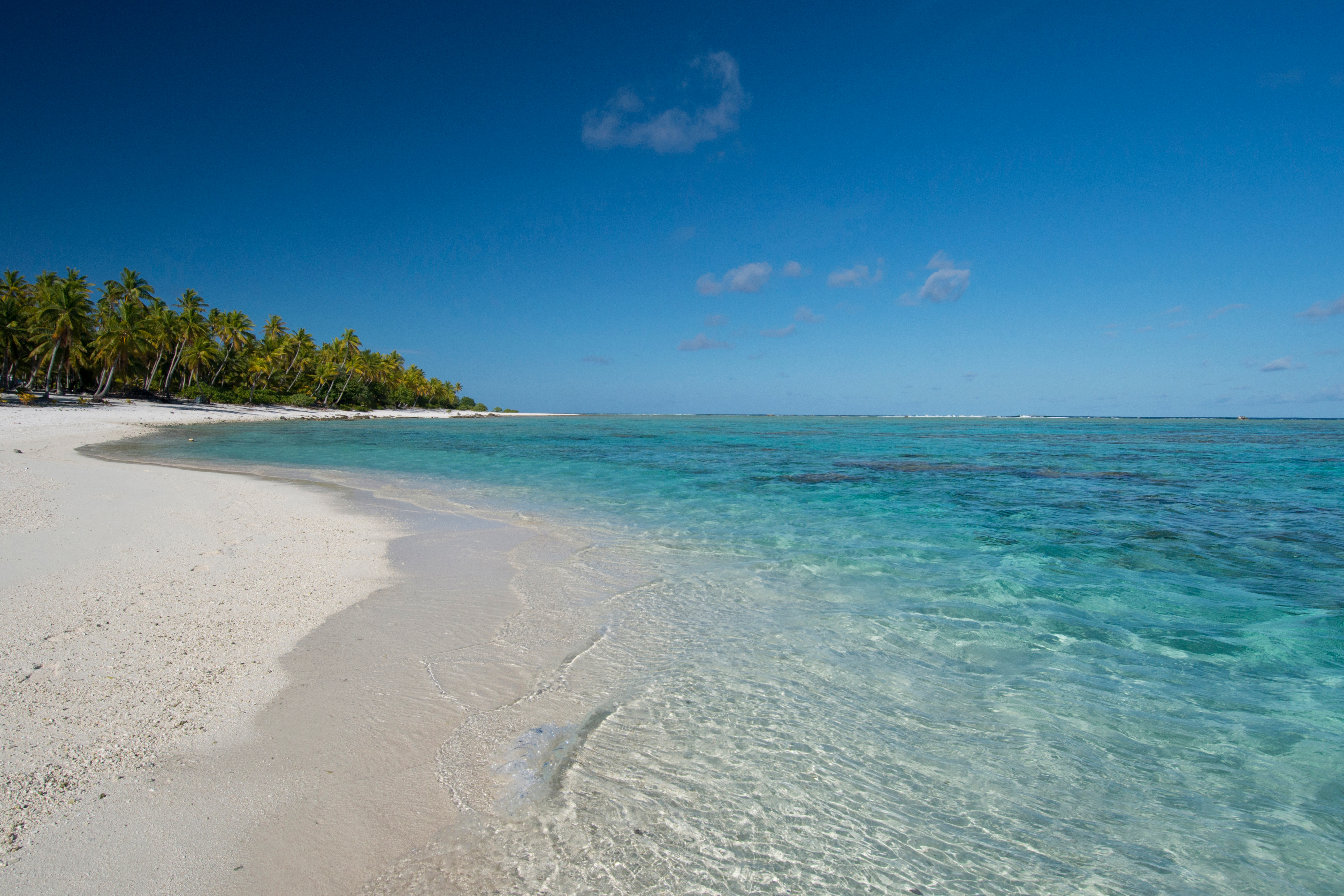
Lofoten Archipelago
As your feet brush against the frost-kissed sands of the Lofoten Archipelago, you're greeted by the haunting serenade of the Arctic wind. It whistles through the craggy fjords, carving a path between jagged peaks that rise like ancient sentinels from the North Sea. These mountains, their tops dusted with snow, stand against a sky that shifts from brooding grays to the electric hues of the aurora borealis. Here, in this ethereal part of Norway, the air is sharp and invigorating, tinged with the briny scent of seaweed and the distant promise of salt-drenched adventures.
Nestled above the Arctic Circle, Lofoten is a realm where time seems to dance with the elements. The islands, clustered together like a string of emeralds, are a living canvas painted by nature's most whimsical hand. At dawn, the sun casts a rosy glow over the fishing villages that cling to the shoreline, their red and yellow rorbu—the traditional fishermen's cabins—mirroring in the placid waters of the fjords. As the sea laps gently at the timber stilts, the echo of seabirds' cries fills the air, a symphony that heralds the beginning of another day in this remote northern paradise.
The history of Lofoten reads like a saga, echoing with the footsteps of Vikings who once called these islands home. Around the year 1000, they set sail from these shores, their dragon-headed longships slicing through icy waters, carrying dreams of distant conquests. The vestiges of their legacy linger still; look carefully at the crests of the hills, and you might spot the outlines of ancient settlements, their stories whispered by the wind. These tales are kept alive by the islanders, who weave the past into their daily lives through language and tradition.
A journey across Lofoten is not just a passage through space, but a voyage through time. The islanders, numbering around 24,000, continue to uphold the practices of their ancestors, most notably the age-old trade of cod fishing. Every winter, the air is suffused with the pungent scent of stockfish drying on wooden racks, a delicacy that has been exported since the Viking Age. This ritual not only sustains the local economy but also connects the inhabitants to their rich maritime heritage, a lineage of resilience and resourcefulness.
Yet, Lofoten is not just a place of history and toil. Its natural beauty is both breathtaking and humbling. The islands boast some of the most dramatic landscapes on Earth—a juxtaposition of rugged mountains and glassy waters. The Himmeltindan, Lofoten's highest peak, ascends to 3,232 feet, offering intrepid hikers a panoramic view of the archipelago's splendor. Look down, and you might catch sight of orcas slicing through the waves, their dorsal fins breaking the surface in graceful arcs.
The unique ecology of Lofoten is a testament to nature’s adaptability. The islands are a haven for a variety of seabirds, including puffins and eagles, whose cries pierce the Arctic air. In the waters, the Gulf Stream tempers the climate, fostering a surprising diversity of marine life. The archipelago's coves and inlets teem with sea creatures, their vibrant colors contrasting with the cool, blue depths. For those brave enough to dive beneath the surface, Lofoten offers a kaleidoscope of corals and sea anemones, a secret garden hidden from the casual observer.
The allure of Lofoten is not confined to its natural wonders. The islands have become a hub for artists drawn by the mystical light that dances across the horizon. This quality of light, unique to the Arctic, seems to imbue the landscape with a surreal beauty, inspiring paintings and photographs that capture the essence of this northerly abode. Wander through the villages, and you'll find galleries displaying works that reflect both the harshness and harmony of island life.
In the winter months, when daylight disappears and darkness envelops the islands, Lofoten transforms into a different world. The aurora borealis, the northern lights, casts its ethereal glow across the night sky, painting it with arcs of emerald and violet. This celestial phenomenon, a result of solar winds colliding with the Earth's magnetosphere, is a reminder of the vast and mysterious forces at play in this isolated corner of the globe.
As you prepare to leave Lofoten, a sense of longing tugs at your heart, a desire to linger just a bit longer in this place where nature and history intertwine so seamlessly. The islands leave an indelible mark, a memory woven with the threads of its people, its landscapes, and its ever-changing skies. You're reminded of the smallness of human existence against the backdrop of nature's grandeur, and yet, there's an undeniable connection—a shared narrative of survival, adaptation, and reverence for the world we live in.
Lofoten stands as a testament to the enduring beauty of Earth's remote places, a reminder of the delicate balance between man and nature. As you gaze back at the receding silhouette of the islands, you wonder about the stories yet to unfold, the mysteries waiting to be unearthed, and the timeless dance of light and shadow that will continue to play across this Arctic archipelago long after you've gone.
The Lofoten Archipelago hosts the world's largest cod fishery, where Arctic cod migrate to spawn annually, supporting a tradition dating back over a thousand years.
Due to its position within the Arctic Circle, Lofoten experiences the Midnight Sun from late May to mid-July, offering 24 hours of daylight—a surreal experience for visitors.
Archaeological sites on Lofoten reveal one of the largest Viking longhouses ever found, measuring 83 meters long, offering a rare glimpse into the lives of Norse chieftains.
The Moskstraumen, one of the strongest tidal currents in the world, inspired ancient myths and legends with its powerful whirlpools that can reach speeds of up to 27.8 km/h.
Lofoten's fishing villages are leading efforts in sustainable tourism by converting traditional rorbuer, once used by fishermen, into eco-friendly accommodations for visitors.