Largest Sand Island on Earth
K'gari, also known as Fraser Island, holds the record as the world's largest sand island, stretching over 120 kilometers long and encompassing more than 166,000 hectares of stunning landscapes.
Australia
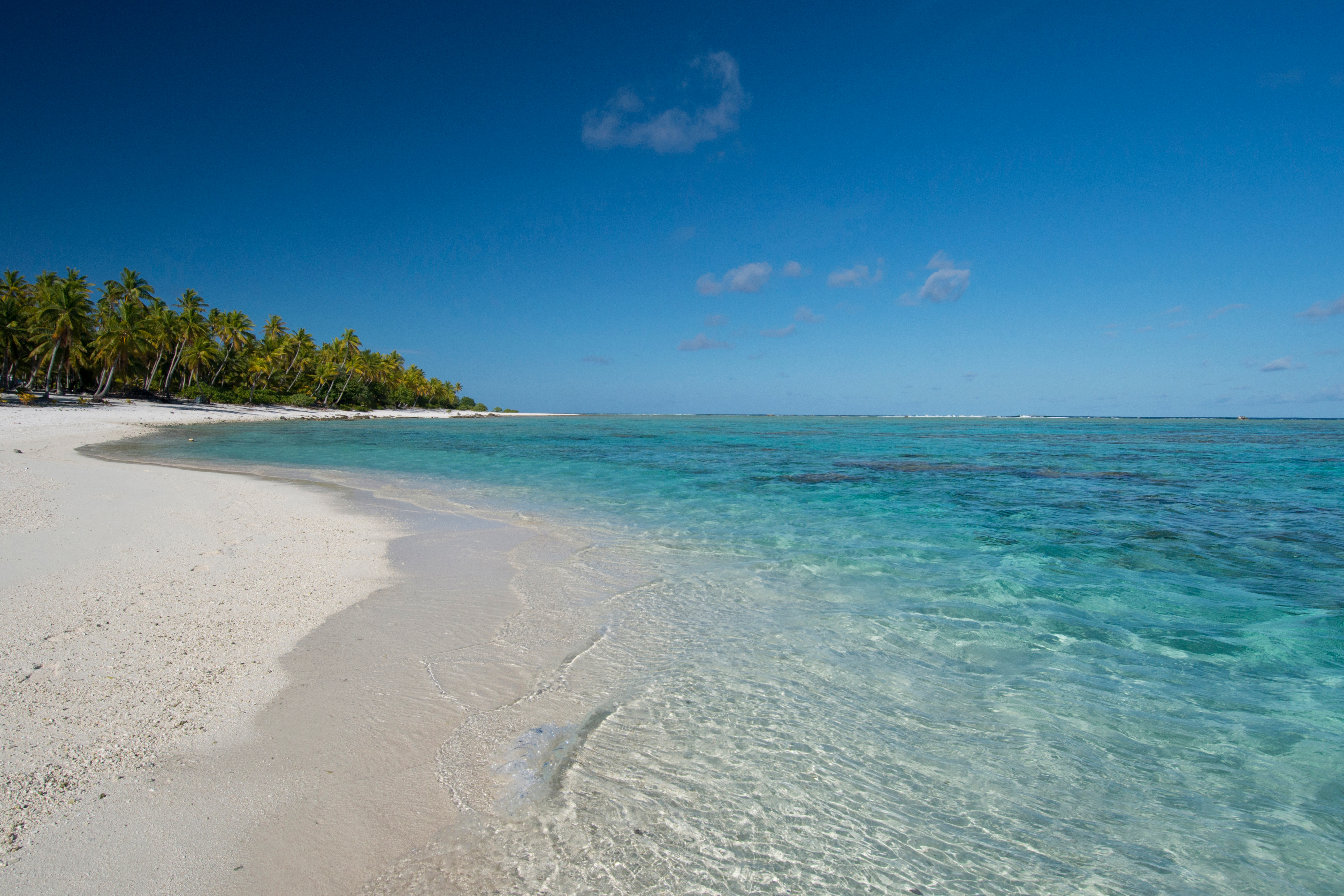
K'gari
At the break of dawn, K'gari unveils herself to the sky, a shimmering mirage rising from the Pacific Ocean off the northeastern coast of Australia. The sun's first rays bathe the island's vast stretch of silica sand, casting a warm, golden hue across the world's largest sand island. Here, the breeze whispers secrets through the towering satinay trees, their ancient roots holding tales of resilience and survival. The air is imbued with the earthy scent of eucalyptus mingling with the salty tang of the sea, a cocktail that intoxicates the senses and lures you deeper into this enigmatic landscape.
The island's name, K'gari, which translates to "paradise" in the Butchulla language, hints at its profound connection to the indigenous custodians who have called this land home for millennia. As the morning mist begins to dissipate over the deep-blue waters of Lake McKenzie—a perched lake of crystalline clarity—the reflection reveals a world that has remained largely untouched by the passage of time. The water, so pure it defies logic, mirrors the sky with such perfection that it feels as though you are suspended between heaven and earth.
Inhabited by only 182 residents, K'gari is a sanctuary of both nature and history. The Butchulla people, who have walked these sands for over 5,000 years, weave a rich tapestry of stories and traditions that are as vibrant as the island's flora and fauna. Standing on the shores of 75 Mile Beach, where crashing waves and a relentless wind sculpt the landscape, one can almost hear the echoes of ancient songs, carried on the breeze from ceremonial sites hidden within the island's dense forests.
These forests are home to a remarkable array of wildlife, a testament to K'gari's ecological diversity. Dingoes, among the purest breeds in Australia, roam the island with a quiet elegance, their howls piercing the night, a haunting symphony that speaks to their untamed spirit. Above, the sky is filled with the chatter of rainbow lorikeets and the soft whoosh of pelicans gliding effortlessly across the azure expanse. The island's biodiversity extends beneath the waves as well, where the Great Sandy Marine Park teems with life—vibrant coral gardens and a kaleidoscope of fish that dance in the currents.
K'gari is a living narrative, where each layer of sand holds a chapter of history. The 19th century brought with it a new wave of visitors—European settlers and explorers attracted by the island's resources and beauty. One such figure, Eliza Fraser, shipwrecked in 1836, left behind a legacy of tales both tragic and fascinating, her experiences etched into the island's folklore and namesake. She and other castaways found themselves woven into the social fabric of the island, their stories mingling with those of the Butchulla, creating a cultural mosaic as intricate as the patterns of the island's sandy dunes.
Yet, K'gari's isolation is not without its challenges. The island faces threats from climate change and human intervention, the delicate equilibrium of its ecosystems in constant flux. Conservation efforts are underway, with local communities and environmentalists striving to preserve its natural beauty and cultural heritage. Walking along the pathways of Central Station, once a bustling logging camp, now an educational hub, you are reminded of the delicate balance between past and present, exploitation and preservation.
As the sun dips below the horizon, casting long shadows that stretch across the sand, K'gari transforms once more. The sky is painted in shades of amber and violet, a masterpiece that only nature can create. Fireflies emerge, flickering like stars fallen to earth, and the temperature cools, a welcome relief after the day's heat. In this twilight, the island breathes a sigh of tranquility, a moment of stillness that invites reflection.
It is easy to understand why K'gari is seen as a paradise by those who know her best. The island is more than a place; it is a living entity, a keeper of stories and a beacon of natural splendor. As you stand there, toes buried in the cool sand, you can't help but wonder what the future holds for this enchanting land. Will K'gari remain a guardian of its pristine ecosystems, a testament to the harmony between man and nature? Or will it succumb to the pressures of a world that seems, at times, to forget the value of such wild sanctuaries?
In the end, K'gari offers more than just a visual feast; it provides a profound connection to the earth and to the stories that shape us. The island's past is etched into its present, and as you depart, the island leaves an indelible mark on your soul. It is a place that beckons you to return, to explore its depths and to become a part of its ongoing narrative, one that is as endless as the ocean that surrounds it.
K'gari, also known as Fraser Island, holds the record as the world's largest sand island, stretching over 120 kilometers long and encompassing more than 166,000 hectares of stunning landscapes.
K'gari is one of the few places in Australia where purebred dingoes, believed to be the purest strain of the species, roam free, offering a glimpse into the ancient canine lineage of the continent.
The island features over 100 freshwater lakes, including Lake McKenzie, a perched lake formed by rainwater, with its crystal-clear waters and pure white silica sands, unmatched anywhere else in the world.
The Butchulla people have inhabited K'gari for over 5,000 years, with their cultural legacy recognized by UNESCO, which listed the island as a World Heritage site partly due to its rich indigenous history.
The Maheno shipwreck, a former luxury liner beached during a cyclone in 1935, now rests on K'gari's shores, serving as a haunting reminder of the island's maritime history and drawing countless visitors each year.