Sulfuric Air Alerts
Residents of Miyakejima, one of the Izu Islands, must carry gas masks due to the high levels of sulfur dioxide emitted from the island's active volcano, Mount Oyama.
Japan
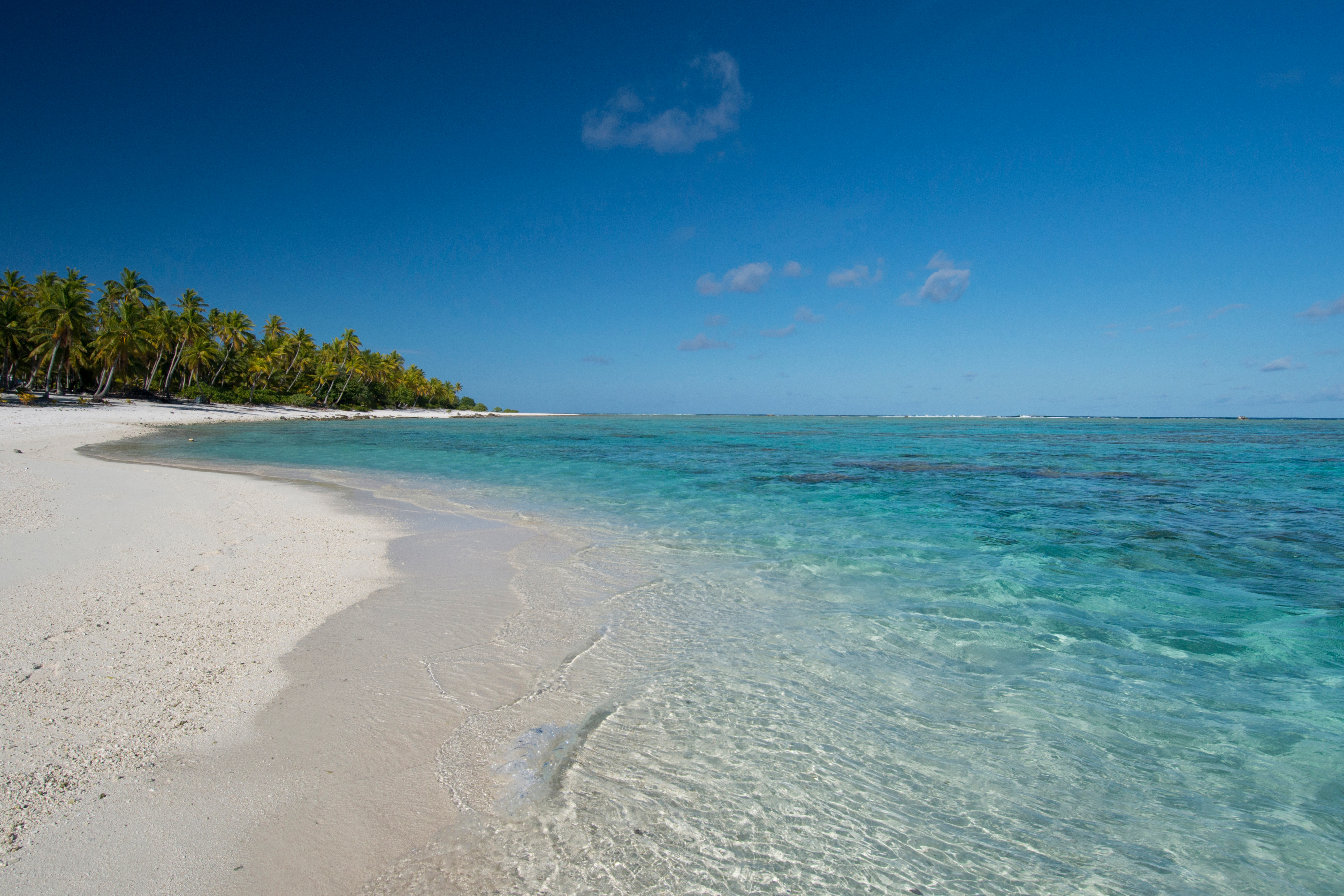
Izu Islands
Across the restless expanse of the Pacific Ocean, the Izu Islands emerge from the mist like ethereal sentinels, a string of volcanic pearls scattered southward from Tokyo's bustling shores. At the break of dawn, the islands are cloaked in a gentle fog that mingles with the briny scent of the sea, whispering secrets of the deep. The ocean's rhythmic pulse sends waves crashing against their craggy shores, each one brushing the basalt cliffs with a tender, salty kiss. You find yourself on the edge of a world caught between the elemental forces of earth, water, and sky—a world where time both distorts and magnifies in the humid embrace of the Pacific air.
Stepping onto the dark sands of Miyake-jima, the island known for its volcanic heart, the landscape unfurls with an otherworldly drama. Ashen trails wind through forests of towering Japanese red pine, their trunks gnarled and weathered by winds that have sculpted this terrain for millennia. Here, nature's resilience is etched into every surface—a testimony to the island's fiery past. In 2000, Mount Oyama erupted in a fiery spectacle that spewed clouds of sulfur and ash, transforming the island into an apocalyptic tableau. Today, life reverberates through the land as verdant ferns and wildflowers reclaim the once-charred earth, painting it with vivid strokes of green and gold.
The Izu Islands are steeped in stories that intertwine the human and the mythical. In the village of Tsubota on Miyake-jima, locals gather in the evenings to share tales passed down through generations. They speak of the island's Shinto shrines, dedicated to the kami—the spirits that dwell within these ancient lands. Among them, the story of the "Dancing Maidens" is a cherished legend, telling of celestial beings who once descended to the island, their graceful movements said to be the origin of the island's traditional dances. As dusk paints the sky in hues of indigo and rose, the sound of taiko drums reverberates through the air, a heartbeat connecting the present to a time when gods danced amidst the mortals.
The islands' beauty is matched by their ecological wealth, a tapestry woven from the unique threads of endemic species. On Hachijo-jima, the lush vegetation hides a kaleidoscope of life: the bright plumage of the Ijima's leaf warbler flits through the underbrush, while the gentle rustle of leaves betrays the presence of the rare Izu thrush. Here, biologists study the delicate dance of evolution, where isolation has fostered biodiversity found nowhere else on Earth. Snorkeling in the crystalline waters off Shikine-jima reveals an underwater Eden, where vibrant coral gardens are home to schools of angelfish and the elusive sea turtles that glide gracefully through their aqueous realm.
The islands' allure is not solely in their natural wonders but also in the lives of those who call this archipelago home. On the island of Niijima, famed for its white sandy beaches and the emerald waves that draw surfers from around the globe, artisans meticulously craft "Koga" pottery—a tradition that has been molded by volcanic ash and time. Each piece tells a story, its unique glaze a reflection of the island's elemental spirit. The potters' hands, weathered and skilled, work in concert with the earth, their craft a meditation on the ceaseless cycles of creation and destruction that define island life.
Yet, beneath the islands' vibrant façade lies an ever-present tension. The specter of volcanic eruptions looms as a constant reminder of the volatile forces that shape this region. Residents of Miyake-jima live with gas masks at the ready, prepared for the sulfurous emissions that occasionally blanket the island. It's a testament to human adaptability, to lives lived in harmony with nature's unpredictable rhythms. Here, resilience isn't a choice; it's a necessity, a part of the island's heartbeat.
As the light fades into the quiet embrace of night, the Izu Islands reveal themselves in a constellation of quaint villages and solitary lighthouses, their beacons casting long reflections across the waves. The crisp night air carries the earthy aroma of local cuisine—grilled sazae, a type of sea snail, and the delicate sweetness of kakinohazushi, sushi wrapped in persimmon leaves. To partake in these flavors is to taste the essence of the Izu Islands, each bite a reminder of the symbiosis between land and sea.
Standing at the edge of this archipelago, one can't help but ponder the delicate balance between beauty and peril, isolation and connection. The Izu Islands are a microcosm of life's intricate dance—where every breeze, every wave, every whisper of the earth tells a story of survival and renewal. Will the islands remain a refuge for their endemic creatures and the cultural tapestry of their inhabitants? Or will the inexorable march of time and tectonic upheaval reshape their destiny once more?
In this place where earth, sea, and sky converge, the Izu Islands invite you to listen—to the wind weaving through volcanic craters, to the call of birds that have never known another home, and to the heartbeat of a land that defies predictability. Here, the past and future meet in the ever-present now, inviting you to become a part of its unfolding story.
Residents of Miyakejima, one of the Izu Islands, must carry gas masks due to the high levels of sulfur dioxide emitted from the island's active volcano, Mount Oyama.
Mikurajima Island is renowned for its abundant dolphin population, with over 150 Indo-Pacific bottlenose dolphins residing in its waters, making it a premier spot for dolphin watching.
After a major eruption in 2000, Miyakejima was evacuated for four years due to volcanic gas emissions, and upon return, the population had to adapt to living with continuous volcanic activity.
Oshima Island, the largest of the Izu Islands, is known for its Camellia Festival and is home to over 3 million camellia plants, attracting flower enthusiasts from around the world.
The Kuroshio Current flows past the Izu Islands, creating a unique marine ecosystem that supports diverse coral reefs and tropical fish species not typically found in Japan's temperate waters.