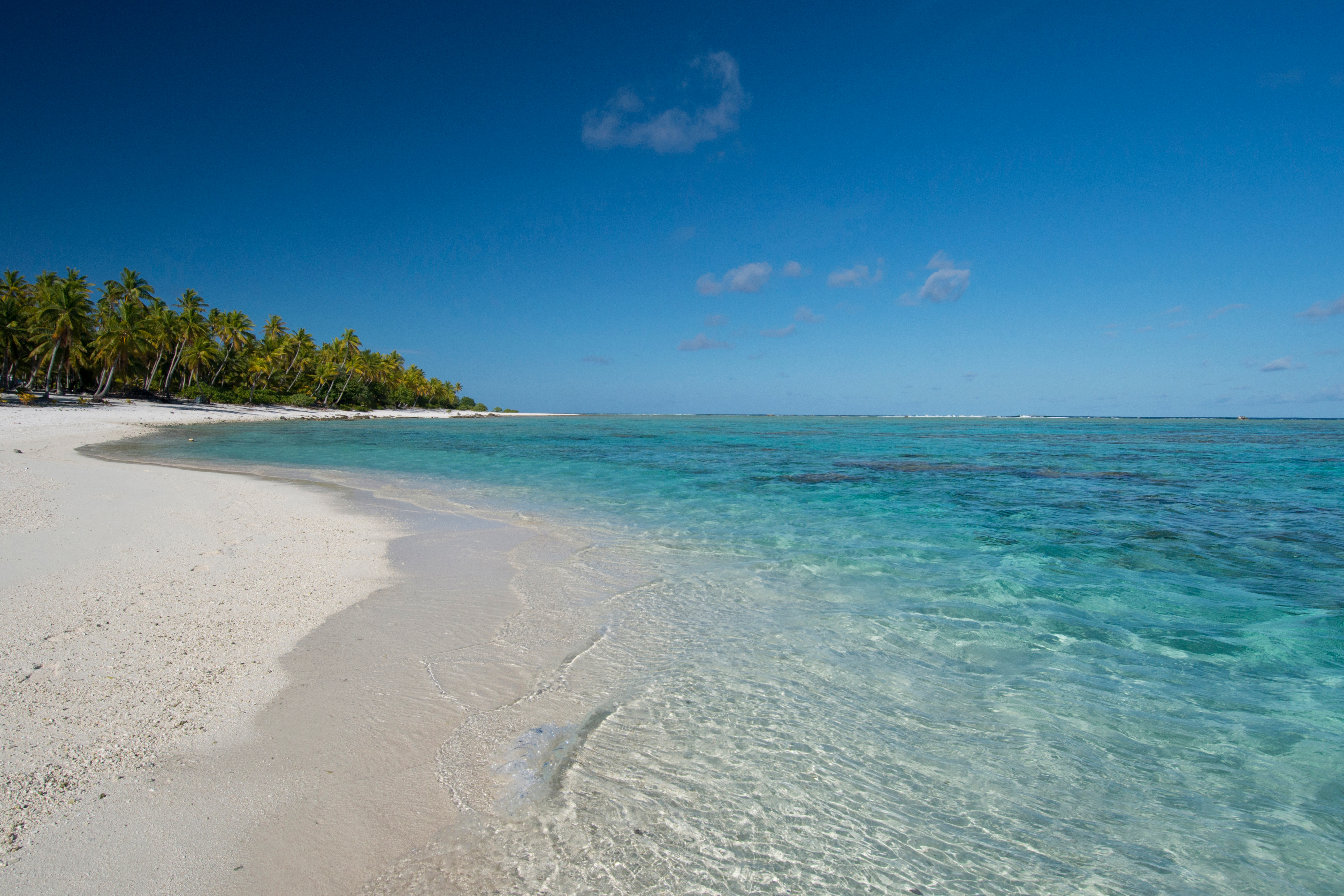
In the crisp morning light, where the Pacific's azure expanse kisses the Andean horizon, the Islas Uros float like mirages on Peru’s Lake Titicaca. The world’s highest navigable lake cradles these islands, crafted entirely from totora reeds that sway with the rhythm of the water beneath. A light fog lingers, wrapping the island in a soft embrace, while the distant hum of a reed boat slicing through the water resonates in harmony with the gentle splashes against the floating reed beds. It's a scene that feels both ephemeral and enduring, a testament to human ingenuity and a lifestyle dictated by the push and pull of nature.
As you step onto an island’s spongy surface, it's impossible not to feel the centuries of history woven into its foundation. The Islas Uros are not merely homes but living artifacts of a culture that predates Incan civilization, dating back to when the Uru people first sought refuge from mainland conflicts. Their survival strategy was simple yet profound: adapt to the lake's bounty, crafting these buoyant sanctuaries from the very reeds that sustain them. Today, around 2,000 Uru descendants continue this legacy, their lives intertwined with the golden reeds that stretch towards the sky and root into the waters below.
In the modest huts that dot the islands, the air is thick with the scent of smoldering reeds, used to cook fresh trout caught from the lake. Women in brightly colored skirts and intricately embroidered blouses move with practiced grace as they braid the reeds into new layers for the island's surface or into the walls of their homes. Their fingers, roughened by years of weaving, tell a story as intricate as the patterns they create. The echo of children’s laughter carries over the water, as they race along the islands’ edges, their playful cries mingling with the call of water birds that circle overhead in search of breakfast.
The Uros’ existence here is a dance with nature's caprices. Each island requires constant maintenance, as the reeds decay and must be regularly replenished—an unending cycle of creation and decay mirroring the lake’s seasonal rhythms. During the wet season, the lake swells, and the islands rise with it, secure in their buoyancy. But come the dry months, the water recedes, pulling the islands closer to the lakebed, exposing them to the harsh sun and wind that carry the scent of sagebrush and dry earth.
Life on the Islas Uros is a study in contrasts. Modernity tugs at the edges, with solar panels glinting subtly on the roofs of some huts, powering small radios that crackle with news from the mainland. Yet, amid these nods to contemporary life, ancient traditions endure. The Uru people speak their native language, Pukina, a linguistic relic that offers a glimpse into a time before Spanish conquest, when their ancestors roamed the high plateaus freely.
Visitors to the islands often find themselves ensnared by the tales of Pachamama, the earth mother goddess, whose spirit the Uru believe resides in every reed. This belief infuses their daily rituals, from the crafting of reed boats to the ceremonial offerings made to the lake’s depths. It's a connection that runs deep, a reverence that transcends the material, anchoring the Uru to their watery abode in a way that defies the transient nature of their floating world.
Yet, beneath the tranquil surface of life on the Islas Uros lies a challenge that is both timeless and urgent. Climate change threatens the delicate balance that has sustained the Uru for generations. As temperatures rise and water levels fluctuate more erratically, the reeds that form the backbone of their existence struggle to regenerate, casting a shadow over the future of these floating communities.
Standing on the edge of an island, the horizon a seamless blend of water and sky, one cannot help but ponder the resilience of the Uru people. Their story is a narrative of adaptation, a dance with elements that demand respect and ingenuity. It is a narrative that whispers of the past while facing an uncertain future, a metaphor for the broader challenges faced by communities the world over who live in harmony with vulnerable ecosystems.
As the sun dips below the horizon, painting the sky in hues of pink and gold, a quiet descends over the islands. The reeds rustle softly, a lullaby sung by the lake itself. It is a moment of contemplation, where time seems to pause, allowing one to reflect on the enduring spirit of the Uru. Here, in this corner of the world, where land and water blur, the Islas Uros float not only as geographical anomalies but as symbols of the tenacity of human spirit and the delicate balance of life sustained by nature’s grace.
As you depart, the question lingers: what does the future hold for these tenacious islands and their people? In a world increasingly driven by progress and change, the Islas Uros remind us of the beauty and fragility of traditions that have weathered the test of time. They are a call to preserve the intangible, to cherish the delicate interplay between human and nature, and to ensure that these floating worlds continue to drift across Lake Titicaca's waters, unchanged by the relentless march of time.