Anthrax Test Site
During WWII, Gruinard Island was used by the British military to test anthrax as a biological weapon, leaving the island contaminated and uninhabitable for decades.
United Kingdom
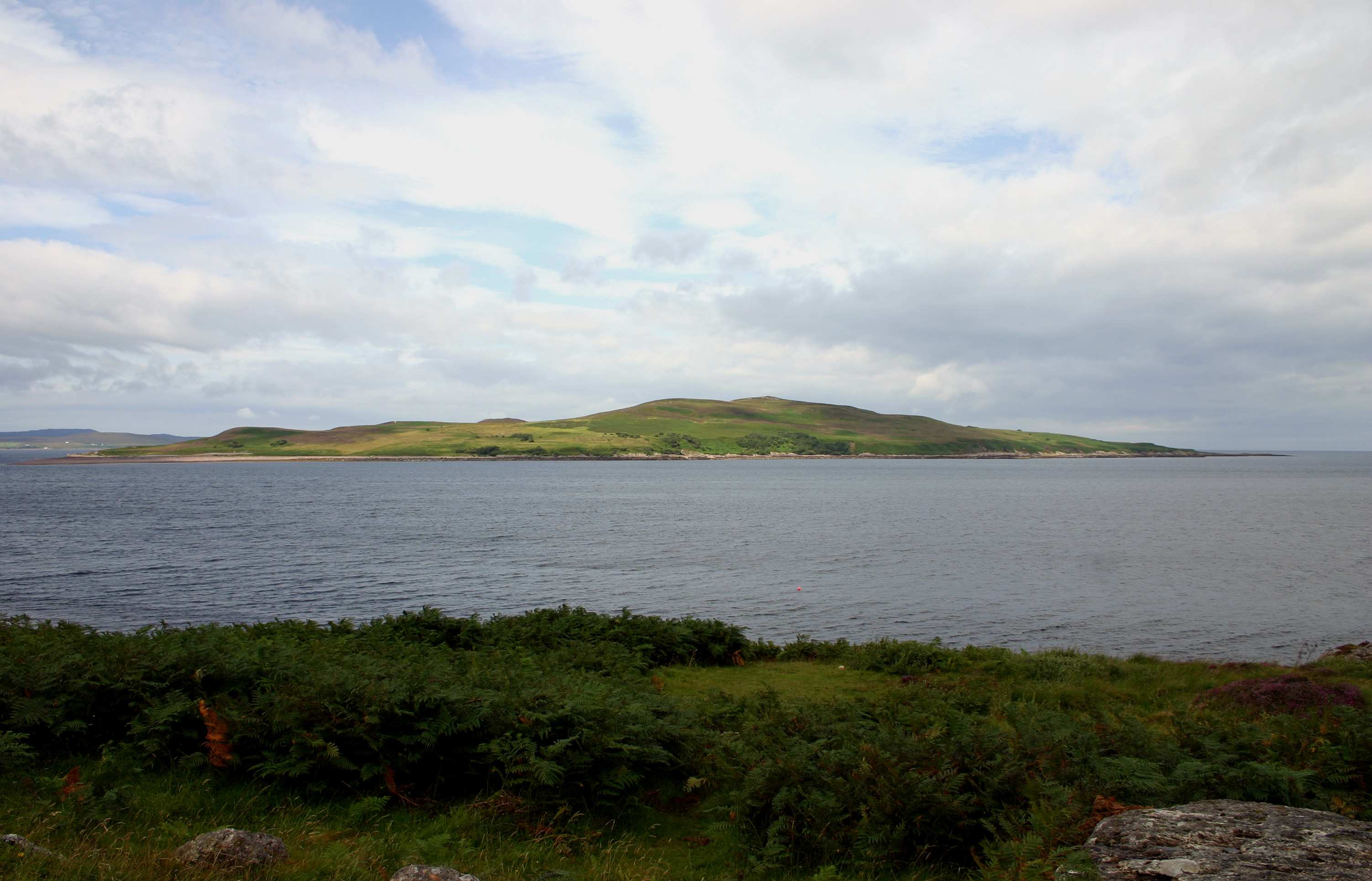
Gruinard Island
As dawn breaks over the North Atlantic, Gruinard Island emerges from the mists like a specter from a forgotten tale. The island, nestled off the rugged coast of Scotland, wears a cloak of mysterious allure that beckons the curious and the brave. The air is crisp, carrying the scent of salt and the faint musk of bog myrtle, a fragrant whisper from the island’s wild heart. Granite cliffs rise abruptly, their faces etched by wind and time, casting long shadows over the heather-strewn landscape. Seabirds circle above, their cries mingling with the quiet lap of waves against the rocky shore, creating a symphony both haunting and serene. Here, where the Highland hills meet the sea, Gruinard remains a solitary sentinel, its history as layered and elusive as the shifting clouds that crown it.
Step onto its abandoned shores, and you feel the weight of history in every stone. Gruinard, uninhabited by human hands today, once bore witness to an experiment that altered its fate forever. During World War II, it became an unlikely participant in the global conflict—a testing ground for anthrax, intended to assess its potential as a biological weapon. The island holds its secrets close, the echoes of those trials lingering in the soil and in the tales of those who dared to approach it in the decades that followed.
Yet Gruinard is more than the sum of its wartime legacy. Its natural beauty is a stark contrast to its grim past. The island’s geography is a study in contrasts: jagged cliffs give way to gentle slopes carpeted in wildflowers, their vivid hues painting the landscape in bursts of purple and gold. In spring, the air hums with the activity of bees, flitting industriously among the blossoms of bell heather and cross-leaved heath. The scent of peat and sea mingles, creating an olfactory tapestry that is as complex as the history of the island itself.
Amidst this wild beauty, the island supports a fragile ecosystem where nature reclaims its dominion. The shores are frequented by seals that bask lazily on sun-warmed rocks, while otters slip silently through the kelp forests that fringe the coastline. Lichens cling tenaciously to rocks, their ancient, slow-growing forms a testament to endurance and survival in this windswept realm. Here, the cries of the great skua, a voracious seabird, echo like a reminder of nature's tenacity—predators and prey locked in a timeless dance.
Gruinard’s human stories, though few, are poignant. Before its 20th-century notoriety, it was home to a small community of crofters. These hardy souls eked out a living on the island’s limited resources, their lives dictated by the rhythms of the sea and the seasons. On long summer evenings, the families would gather to share stories under a sky that stretched vast and unbroken, their Gaelic songs blending with the murmurs of the ocean. Today, their voices are silent, but traces remain—a crumbling stone wall here, a forgotten hearth there—remnants of a bygone era slowly succumbing to nature’s embrace.
The island’s transformation from a place of habitation to a symbol of scientific inquiry and cautionary tale is marked by its decontamination in the late 20th century. For decades, Gruinard was considered off-limits, a ghost island shrouded in fear and mystery. It wasn’t until 1990 that the British government declared it safe for human visitation, following extensive remediation efforts that involved burning and soil treatment. The return to safety was a slow, deliberate process, much like the healing of a wound.
Now, as the sun sets and the horizon blurs into a palette of dusky pinks and blues, Gruinard stands as a testament to resilience. It is a place where nature and history intertwine, each informing the other in a silent dialogue that continues to evolve. The island is a living reminder of humanity’s capacity for both destruction and redemption—a narrative written in the very bones of the earth.
As you stand on its shores, the wind carries a whispered promise: of new beginnings, of mysteries yet to be uncovered. Gruinard is an island reborn, yet haunted by the shadows of its past—a place where time seems to stand still, inviting reflection on the complex interplay between nature and human ambition. It challenges us to remember, to learn, and to imagine a future where the scars of history are not forgotten, but used as guideposts towards a more thoughtful coexistence with the world around us.
In this secluded corner of the North Atlantic, Gruinard remains a keeper of secrets, a guardian of tales yet untold. It beckons to those who seek to understand the delicate balance between progress and preservation, offering lessons etched in stone and soil. Here, amidst the salt-kissed air and the murmuring waves, one cannot help but ponder the stories that have shaped this island and those that are yet to be written. In Gruinard, the past is ever present, the future is uncertain, and the present moment is a canvas of endless possibility.
During WWII, Gruinard Island was used by the British military to test anthrax as a biological weapon, leaving the island contaminated and uninhabitable for decades.
In 1986, after years of being a biological hazard, Gruinard Island was decontaminated using 280 tonnes of formaldehyde mixed with seawater, making it safe again in 1990.
The island was officially quarantined from 1942 to 1990 due to anthrax contamination, during which it was off-limits to the public to prevent health risks.
Despite being safe now, Gruinard Island remains uninhabited, with its eerie past leaving a lasting impact on its potential for habitation.