Rising Sea Levels Threat
Gardi Sugdub is one of the first islands in the world where the entire community is relocating due to rising sea levels, highlighting the urgent challenges of climate change.
Panama
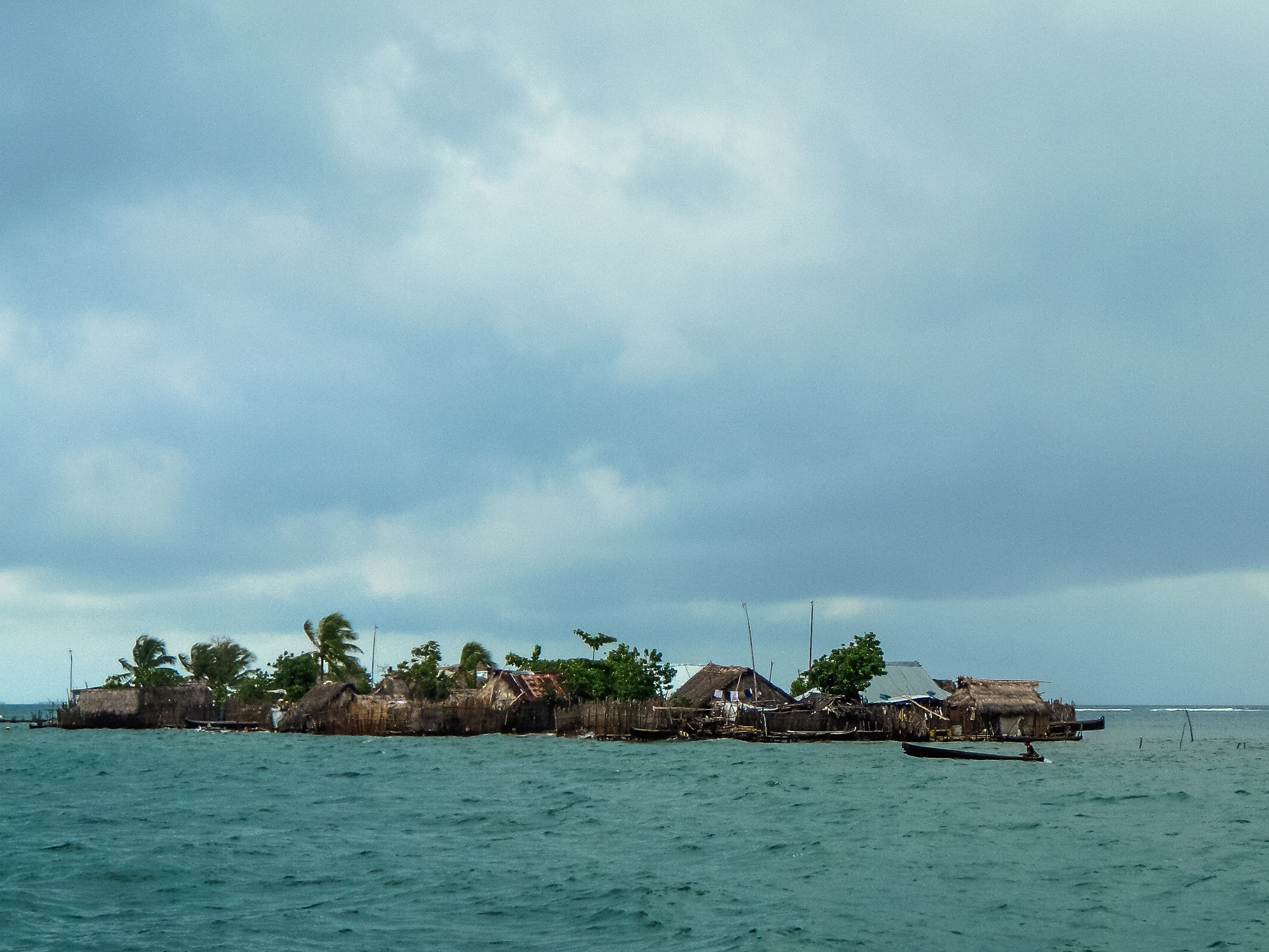
Gardi Sugdub
At dawn, Gardi Sugdub emerges from the Caribbean mists as a vibrant mosaic fringed by the tranquil embrace of the sea. The island, barely a speck in Panama’s San Blas Archipelago, is a place where the world feels simultaneously vast and contained. As the first rays of sunlight kiss the turquoise waters, they reveal a tangle of color: homes painted in brilliant hues of coral and cobalt, hemmed by palm trees that shiver softly in the morning breeze. The air, thick with humidity, carries the scent of salt mixed with the earthy aroma of coconut, a prelude to the day’s rhythm that unfolds here with the regularity of the tides.
Step onto its sandy shores, and Gardi Sugdub breathes life around you. Children’s laughter punctuates the air, a symphony harmonizing with the call of seabirds that circle overhead, their wings stark against an azure sky. The island, though less than a kilometer long, hums with a cadence of humanity and nature in concert, a testament to resilience and community. Here, in the Caribbean’s shimmering heart, life pulses with an energy as enduring as the waves that lap against its shores.
Gardi Sugdub, with its population of around 1200, is a living narrative of the Guna people, indigenous to this vibrant patch of the world. Their history is etched into the very fabric of the island, telling tales of seafaring ancestors who mastered these waters long before the colonial maps gave them names. The Guna have preserved a rich cultural tapestry, their traditions flourishing in defiance of time’s relentless march. The island’s name itself, meaning "Crab Island" in the Guna language, is a nod to the endemic crustaceans that scuttle across its sandy expanses, a reflection of the islanders' deep connection with the land and sea.
In the heart of Gardi Sugdub, the bustling main square serves as both marketplace and meeting point, a place where stories are exchanged with the same fervor as goods. Here, elders recount tales of the "Dulegaya," the Guna's spiritual and cultural belief system that threads through daily life like a lifeline. Their stories speak of a time when their ancestors wove the universe from coconut palms and sea currents, a cosmology as intricate as the molas—vivid, layered textiles—that the women create by hand, each stitch a connection to the past.
The island’s natural features are as captivating as its cultural legacy. Off the coast, coral gardens thrive, a kaleidoscope beneath the waves where parrotfish dart among intricate formations, their scales flashing like gemstones in the filtered sunlight. Above, the island is a sanctuary for endemic birds, their calls a reminder of the symbiotic relationship between land, sea, and sky. Yet, it’s not just the visual splendor that captivates; there’s a palpable serenity here, a rhythm dictated by the tides and the gentle sway of the coconut fronds.
Yet, beneath this idyllic surface lies an urgent narrative of climate change, a challenge that the Guna face with characteristic fortitude. Gardi Sugdub, like many low-lying islands, is on the frontline of rising sea levels. The water, once a provider, now threatens to encroach upon the very land that nurtures them. In response, the community has made the difficult decision to relocate to the mainland, crafting a new chapter in their enduring story of adaptation. Plans are being laid for a transition that respects their heritage while ensuring their future, a testament to human resilience in the face of an ever-changing world.
The island shifts with the seasons and the time of day, perpetually transforming like a living canvas. During the rainy season, the sky darkens, and torrents cleanse the land, infusing the air with the scent of wet earth and the promise of renewal. As the clouds part, rainbows arc over the island, ephemeral bridges linking the earth and heavens. Twilight casts a golden sheen over the water, and the island quiets, a gentle exhalation after the day’s vibrant symphony.
Unexpected details abound, capturing the imagination of any who wander Gardi Sugdub’s sandy paths. Among them is the island’s tradition of "chicha," a communal gathering where fermented corn drink is shared, a ritual steeped in camaraderie and kinship. Here, amid laughter and shared history, the Guna reaffirm their ties, a living testament to the strength of community in the face of adversity.
As you prepare to leave Gardi Sugdub, the island stays with you, a lingering vision of color and life etched against the vastness of the Caribbean. It prompts reflection on the delicate balance between tradition and modernity, a reminder of the islanders' enduring spirit. In its tides, you hear a question that reverberates beyond its shores: How do we honor the past while forging a path to the future?
In the end, Gardi Sugdub is more than just an island; it is a microcosm of the world’s challenges and triumphs, a place where history and hope intermingle like the patterns of a mola. As the islanders prepare to chart new waters, they carry with them the essence of their home—a testament to endurance, resilience, and the indelible connection between land, sea, and people. Gardi Sugdub whispers its stories into the wind, inviting the world to listen and learn.
Gardi Sugdub is one of the first islands in the world where the entire community is relocating due to rising sea levels, highlighting the urgent challenges of climate change.
The island is home to the Guna people, who maintain a vibrant cultural identity with unique traditions, including the famous 'mola' textile art, which is recognized globally.
Despite its small size, Gardi Sugdub is densely populated, with around 1,200 residents living on less than 0.1 square miles, making it one of the most densely populated islands in the world.
In an unprecedented move, the Panamanian government is building a new community on the mainland for Gardi Sugdub's residents, marking a historic first in proactive climate migration efforts.