Hidden Tunnels Beneath
Deer Island hosts a network of subterranean tunnels constructed in the late 1800s, originally intended for military defense, and later used during Prohibition for smuggling alcohol.
United States
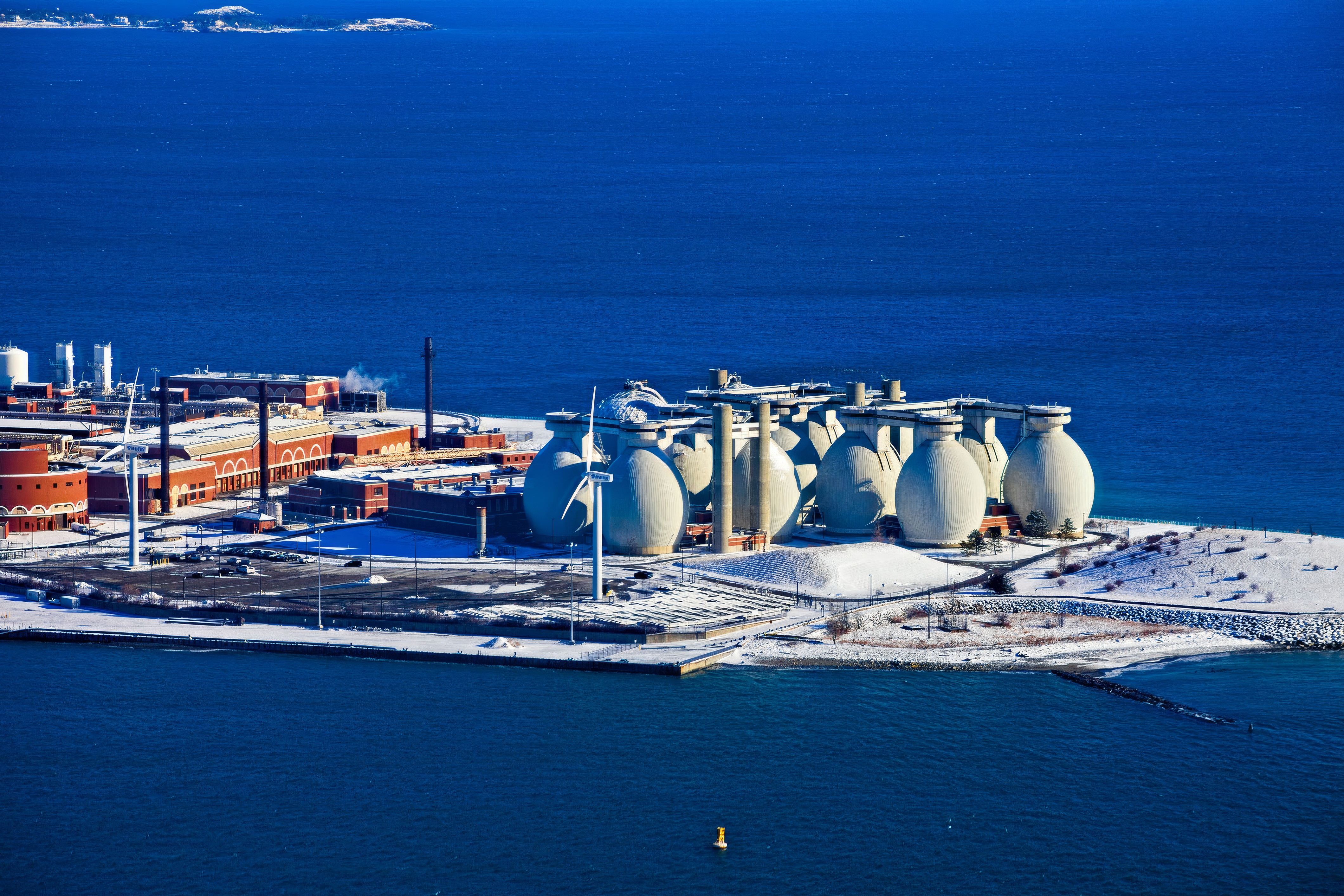
Deer Island
When the first light of dawn creeps over the horizon, Deer Island emerges from the North Atlantic like a ghostly sentinel. Its silhouette is etched against the sky, cloaked in the morning mist that clings stubbornly to the rocky shoreline. The island sits just off the coast of Maine, a forgotten fragment of land where the ocean meets the wilderness. Here, the Atlantic's bracing winds whisper through dense underbrush, and the sharp tang of saltwater mingles with the earthy aroma of pine needles carpeting the forest floor. The sea crashes relentlessly against granite cliffs bleached by decades of sun, a symphony of nature's raw power that reverberates through the air, leaving an indelible mark on those who venture near.
As you step onto its rugged terrain, the island feels alive beneath your feet. The crunch of fallen leaves and twigs punctuates the silence, a gentle reminder of the vibrant ecosystem that thrives in this isolated sanctuary. Though uninhabited by humans, the island teems with life. White-tailed deer, its namesake, roam the forested interior, their movements akin to whispers among the trees. Overhead, ospreys circle in the sky, their keen eyes scanning for fish in the clear waters below. The island is a haven for wildlife, an untouched masterpiece sculpted by nature herself.
Deer Island holds stories long forgotten, tales etched into its very bedrock. In the 19th century, it was briefly inhabited by a small community of fishermen and their families, drawn by the bounty of the cold Atlantic waters. They built their lives here in harmony with the land, crafting homes from timber hewn by hand. Evidence of their existence remains—weathered foundations hidden beneath layers of moss, and crumbling stone walls that once marked property lines. These remnants serve as quiet sentinels of the past, whispering of resilience and hardship in a time where survival was intricately tied to the whims of the sea.
The island's history is not only a testament to human tenacity but also to the mysteries that nature guards fiercely. Among the island's most enigmatic features is the tidal phenomenon known as the "Boiling Tide." Occurring only during the full moon, when the gravitational pull is strongest, the waters around the island appear to bubble and churn, as if a giant pot is brought to boil by some unseen hand. Local lore speaks of spirits of sailors lost to the ocean's depths, their souls forever tethered to the island, causing the sea to dance in their eternal lament.
Yet, despite its isolation, Deer Island plays a crucial role in the ecological tapestry of the North Atlantic. It is a critical breeding ground for several seabird species, including the elusive Atlantic puffin. Here, on the island's rugged cliffs, these charismatic birds find sanctuary, their vibrant beaks a striking contrast against the gray stone. Conservationists have long recognized the island's importance, striving to protect its delicate balance and ensure that its natural wonders endure for generations to come.
The island's flora tell a story of resilience in the face of harsh conditions. Stunted spruce and fir trees, shaped by relentless winds, stand in defiance of the elements. In spring, the forest floor erupts in a riot of color, as wildflowers like lupine and lady's slipper orchid bloom, their hues vivid against the muted backdrop of evergreens. This seasonal transformation is a testament to nature's cyclical beauty, a reminder of the perpetual dance between life and decay.
Deer Island's isolation has protected it from the encroachment of modernity, allowing it to remain a sanctuary for nature and history alike. It is a place where time seems to stand still, where the only footprints are those of the creatures who call it home. For those who journey here, the island offers a rare opportunity to connect with a world untouched by the frenetic pace of contemporary life—a chance to listen to the stories whispered by the wind and the waves.
And yet, as with all places of profound beauty, Deer Island faces an uncertain future. Rising sea levels and climate change threaten to alter its landscape forever. The island stands as a poignant reminder of the delicate balance between nature and human impact, a call to preserve the wild spaces that still exist in our world.
As you leave the island, the questions linger like the fading mist. How will future generations perceive this place? Will they walk among the same whispering pines and hear the same crashing waves? Or will Deer Island become just another tale of what once was? In its quiet solitude, the island invites contemplation, urging us to reflect on the past and consider the legacy we leave for the future.
The sea breeze tugs at your hair as you gaze back at the receding shoreline, the island fading into the horizon. Deer Island remains a testament to nature's enduring power and mystery, a place where the wild heart of the Atlantic beats on, untamed and eternal.
Deer Island hosts a network of subterranean tunnels constructed in the late 1800s, originally intended for military defense, and later used during Prohibition for smuggling alcohol.
Home to the Deer Island Wastewater Treatment Plant, it processes over 350 million gallons of sewage daily, making it one of the largest and most advanced facilities of its kind in the world.
Archaeological evidence suggests that Deer Island was a seasonal settlement for Native American tribes over 4,000 years ago, with artifacts indicating a rich tradition of shellfishing.
During the American Revolution, Deer Island was a strategic location for the defense of Boston Harbor, playing a crucial role in preventing British naval attacks.
The island's ecological restoration project has introduced over 100 native plant species, transforming it into a thriving habitat for numerous bird species, including the rare snowy egret.