Europe's Oldest City
Knossos, located on Crete, is Europe's oldest city, continuously inhabited since 7000 BCE. It's famed for its Minoan palace, which inspired the myth of the Minotaur and the labyrinth.
Greece
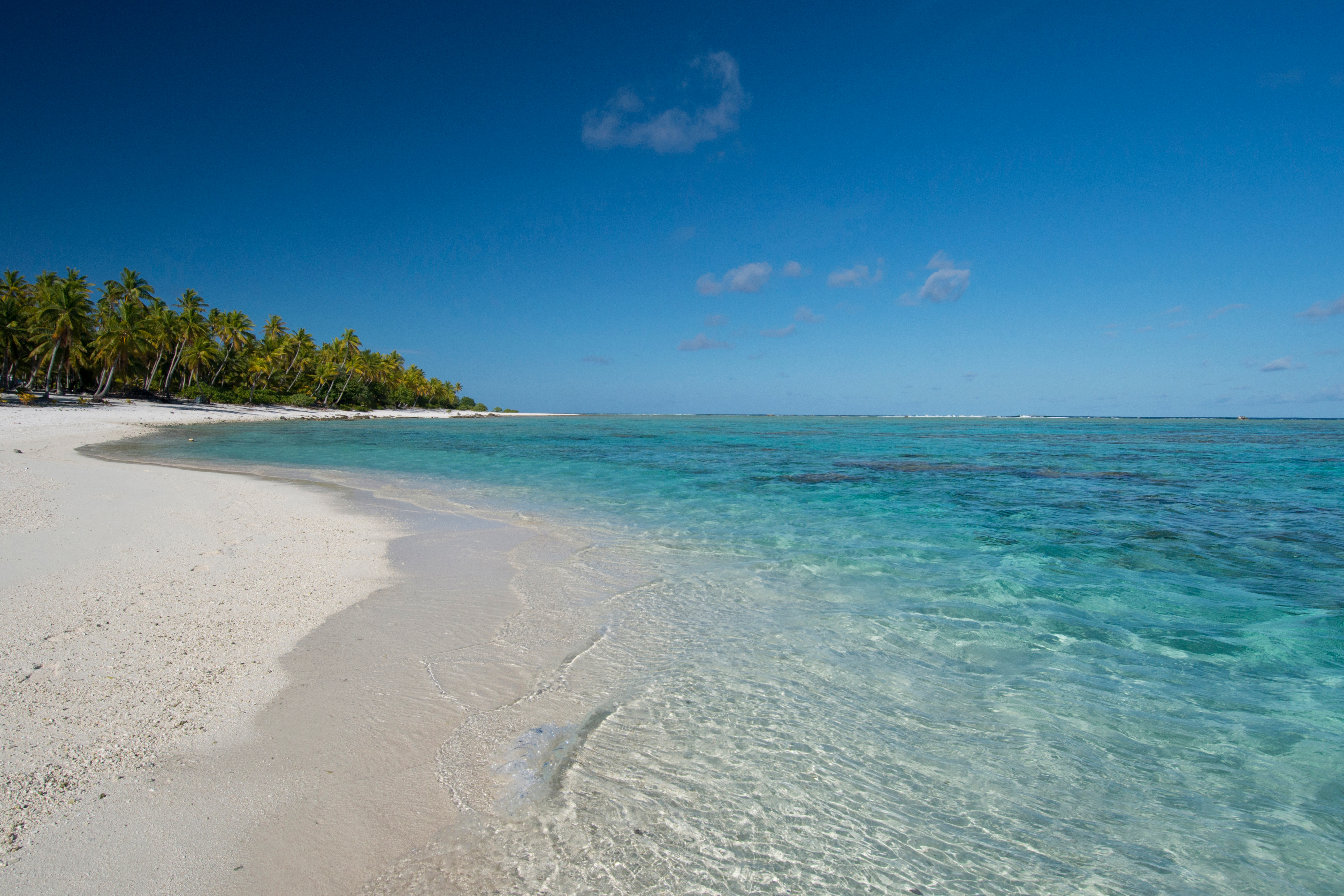
Crete
At dawn, Crete reveals itself like an ancient tapestry unfurling beneath the Mediterranean sun. The first light caresses the rugged contours of the White Mountains, casting long shadows over olive groves that cling stubbornly to the arid hillsides. The air tingles with the scent of wild oregano and thyme, while the soft murmur of the sea whispers against the jagged cliffs of the southern coast. Here, where Europe meets Africa and Asia, the island of Crete stands as a crossroads of history and myth, its landscapes offering both the raw echo of timelessness and the vivid pulse of life.
Set sail on the Cretan Sea, and the island's silhouette emerges slowly, a mosaic of colors and textures. The azure waters lapping against its shores are as ancient as the tales of gods and heroes that once took shape here. In the heart of the island, the fertile plains of Messara stretch wide, a verdant expanse that has fed generations. Yet, it is the labyrinthine streets of Heraklion and the isolated serenity of its highlands that capture the dual nature of Crete—at once bustling and tranquil, a place where the past and present dance in perpetual embrace.
Crete's history is woven as intricately as the lace-like patterns that Cretan women craft in village courtyards. It is here that Europe's first advanced civilization, the Minoans, flourished some 4,000 years ago, building grand palaces like that of Knossos. Imagine the echoes of ancient rituals and bustling trade markets in the palace corridors, where frescoes in vivid blues and reds depict dolphin-filled seas and ceremonial processions. The island bears witness to countless invasions and cultural exchanges, with Romans, Byzantines, Venetians, and Ottomans all leaving indelible marks. Each stone in the old towns of Rethymno and Chania tells a story—Venetian fortresses stand watch over harbors where once-great fleets sailed, their walls weathered but steadfast against the march of time.
Yet, beyond the ancient ruins and historical grandeur, Crete pulses with life through its people. In the mountain villages of Sfakia, Cretan shepherds still guide their flocks across rocky trails, their calls echoing through the ravines while eagles soar overhead. These rugged landscapes are not just home to the hardy kri-kri, the elusive wild goat, but to a way of life that honors tradition while embracing the future. Here, the hospitality is as warm as the sun-drenched terraces, and the food as rich as the island's soil. Share a meal of dakos—crisp rusks topped with ripe tomatoes, crumbled feta, and a drizzle of golden olive oil—and taste the earth itself, sun-kissed and fertile.
Crete's natural beauty captivates with its contrasts. The Samaria Gorge, Europe’s longest, carves through the island's western range like a colossal serpent, its cliffs towering up to 500 meters. In spring, this gorge becomes a riot of color as wildflowers bloom amidst the lichened stones, their fragrance mingling with the crisp mountain air. At its base, the Libyan Sea sprawls, an expanse of deep blue stretching to the horizon, where the island's hidden beaches offer solitude and serenity beneath the watchful gaze of mountains that rise abruptly from the shore.
The island's cultural tapestry is as vibrant as its landscapes. Crete's music, with its distinctive lyra and laouto, echoes through village squares during festivals where locals and visitors alike are drawn into spirited dances. The island’s dialect, rich with unique expressions, reflects a proud heritage of resilience and independence. The tales of legendary figures like Eleftherios Venizelos, the Cretan statesman who shaped modern Greece, are recounted with reverence, his legacy intertwined with the island's identity. Yet, it is in the simple, everyday exchanges—a shared raki, a smile—where the soul of Crete truly resides.
Surprises abound on this storied island. Among the rolling hills near the village of Archanes, archaeologists have uncovered evidence of a prehistoric wine press, suggesting that Cretans were among the earliest wine producers. This land steeped in myth is also a cradle of tangible history, each discovery a testament to human ingenuity and enduring connection to the land. Crete's ecosystems, too, offer unexpected wonders. The island's isolation has fostered a rich biodiversity, from the endemic Cretan date palm to the rare and delicate orchids that adorn its meadows.
As the sun sets behind the Lefka Ori, Crete transforms once more. The sky bleeds saffron and lavender, a painter’s dream, while the horizon blurs into the infinite sea. The wind, now a gentle caress, carries the distant strains of a lyra, a melody that speaks of longing and belonging. Standing on its rocky shores or wandering through its ancient streets, you feel the weight of history and the lightness of a simple truth: Crete is an island where time itself seems to pause, inviting you to linger.
In this place of myth and memory, where the earth tells stories as old as time, one cannot help but wonder about the future that awaits these shores. Will the ancient traditions withstand the pressures of modernity? Can the island's natural beauty endure in the face of change? As Crete continues to weave its story in the tapestry of the Mediterranean, it leaves you with a lingering sense of wonder—a reminder that the past and future are but threads in the boundless fabric of the present.
Knossos, located on Crete, is Europe's oldest city, continuously inhabited since 7000 BCE. It's famed for its Minoan palace, which inspired the myth of the Minotaur and the labyrinth.
According to Greek mythology, the Cave of Dikteon on Crete is where Zeus, the king of the Greek gods, was born. This ancient site has been a place of pilgrimage for thousands of years.
Lake Kournas is the only natural freshwater lake on Crete, offering stunning views and a unique ecosystem. The lake mysteriously changes color from turquoise to deep blue depending on the time of day.
Crete is home to the Cretan wildcat, Felis silvestris cretensis, a subspecies thought to be extinct until it was rediscovered in 1996. This elusive feline is found only in the mountainous regions of the island.
Crete hosts olive trees that are over 2,000 years old and still produce olives today. These ancient trees are a testament to Crete's long-standing tradition in olive oil production.