Artificial Green Oasis
Ascension Island's Green Mountain is a man-made forest created in the mid-19th century, transforming the once barren volcanic island into a lush landscape through one of the earliest examples of planned ecological engineering.
United Kingdom
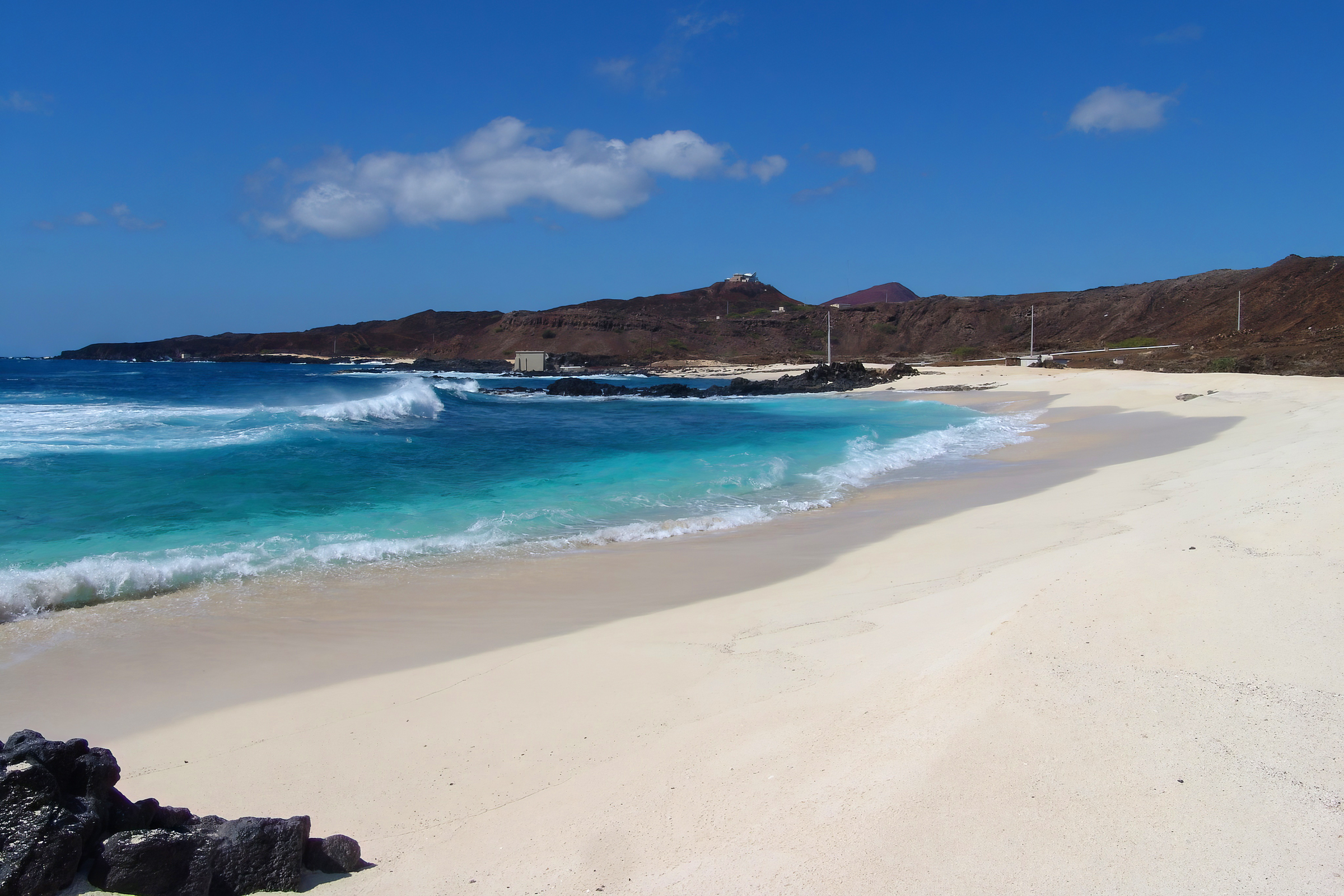
Ascension Island
Ascension Island emerges from the South Atlantic like a solitary sentinel, its volcanic peaks silhouetted against an endless expanse of cerulean blue. As dawn's first light unfurls across the horizon, the island's rugged beauty is unveiled; shadows retreat from craggy lava fields and burnt-red cinder cones. Salt-laden winds dance through dense tufts of endemic ferns, carrying the faint, earthy aroma of guano from one of the world's most remote seabird colonies. Here, 1,000 miles from the coast of Africa and 1,400 miles from Brazil, the island stands as a testament to Earth's untamed forces, a place where primal nature and human tenacity coexist.
A mere speck on the map, Ascension Island is steeped in a history as dramatic as its terrain. You can almost hear the echoes of bygone eras as you wander its shores. Once a vital stopover for sailing ships navigating the far reaches of the British Empire, the island's strategic location has long rendered it significant. In the early 19th century, the Royal Navy established a garrison here, turning Ascension into a "stone frigate" to deter Napoleon's escape from exile on nearby St. Helena. The island's isolation made it ideal for such military endeavors, crafting a narrative woven with intrigue and resilience.
Ascension's volcanic origins have sculpted a landscape of stark contrasts. To the uninitiated, the island may seem barren, but a closer look reveals a realm teeming with life. In the heart of the island lies Green Mountain, a verdant anomaly in an otherwise arid world. Conceived by the visionary botanist Joseph Hooker in the 19th century, the mountain's lush canopy is a man-made rainforest, where eucalyptus trees tower over ferns and bamboo thickets. A cacophony of bird calls reverberates through the dense foliage, punctuated by the flutter of the Ascension frigatebird—a species that soars effortlessly overhead, its wings slicing through the azure sky.
The human tapestry of Ascension Island is a testament to adaptability and endurance. Home to a transient population of around 806, the island hosts a diverse community, comprising military personnel, scientists, and administrative staff. The local culture is an eclectic blend, reflecting the myriad backgrounds of its inhabitants. Traditions have been forged in the crucible of isolation, where community events—such as the annual Bonfire Night—ignite the night sky in a blaze of camaraderie and shared heritage.
Beneath the surface, the island harbors mysteries that captivate scientists and explorers alike. Ascension's volcanic past is etched in its rocks, each stratum telling a story of fiery creation. The island is a living laboratory, where researchers study everything from tectonic activity to the delicate balance of its unique ecosystems. The surrounding waters are a haven for marine life, hosting a vibrant tapestry of coral reefs and a nursery for green sea turtles, which, each year, embark on an epic journey to nest on the island's sandy beaches. These ancient mariners are a poignant reminder of the cycle of life that pulses beneath the waves.
As you traverse the island's rugged trails, unexpected details await. The remnants of the island's military past linger—rusting gun emplacements stand sentinel over the coastline, silent witnesses to a world that has moved on. Meanwhile, the eerie silence of Wideawake Airfield, once a bustling hub during World War II, evokes images of aircraft roaring into the skies above. Here, time seems to warp, history overlapping in layers like the strata of the island's volcanic cliffs.
Seasons on Ascension are subtle, marked not by dramatic shifts in temperature but by the rhythms of life. With each cycle, the island reveals a different facet of its character. In the dry season, the landscape is parched, the earth cracked and thirsty. Yet, when the rains come, life erupts in a riot of green, transforming the island into a lush oasis. The transition is both sudden and miraculous, a reminder of nature's resilience and adaptability.
Standing on the cliffs of Ascension, with the Atlantic winds carving furrows in the land and the vast ocean stretching beyond, one is filled with a profound sense of wonder. The island is a bridge between worlds, connecting past and present, nature and humanity. Its future, like its past, is a story still unfolding. The challenges it faces—climate change, ecological preservation, and the complexities of its political status—are as formidable as the forces that shaped its rugged terrain.
Ascension Island is more than a speck in the ocean; it is a microcosm of our planet's beauty and fragility. As you leave its shores, the island leaves an indelible mark on your soul, a whisper of untamed wildness carried on the breeze. Here, amidst the echoes of history and the pulse of life, you find a connection to the Earth that transcends time, a reminder that even the most remote places hold the power to inspire and transform.
Ascension Island's Green Mountain is a man-made forest created in the mid-19th century, transforming the once barren volcanic island into a lush landscape through one of the earliest examples of planned ecological engineering.
Ascension Island played a pivotal role in early telecommunication, serving as a critical relay station for the first transatlantic telegraph cables in the 19th century, which connected Europe to South America.
During the Apollo missions, Ascension Island hosted a NASA tracking station that was crucial for monitoring and communicating with spacecraft, helping to ensure the success of the moon landings.
Ascension Island's beaches are a nesting ground for one of the world's largest populations of green sea turtles, whose numbers have dramatically increased due to successful conservation efforts over the past few decades.
Home to RAF Ascension Island, the island serves as a strategic airbase and emergency landing site for military aircraft, playing a key role during the Falklands War by facilitating long-distance bombing runs.